UI/UX Design Portfolio: Year 6 Edition
HELLO RAVEN
Case Study
Scaling Without Sacrifice
How might we preserve client-specific features while expanding our product?
B2B Enterprise Software
Continuous Discovery & Delivery
Product Strategy
Scalable System
A Collaboration Between 3 Teams:
Development, Project Management, & User Experience
Fine Print
Role
Lead UI/UX Designer
Responsibilities
User Interface
User Experience
User Research
Duration
Ongoing
Tools
Figma
Lucidchart
Primary Deliverables
2 Workflow Consolidations
3 Trimmed Workflows
6 New Experiences
Secondary Deliverables
User Research Feedback
High-Fidelity Wireframes
Prototypes
Company
Judi Health
Industry
Health Tech
At a Glance
Chapter 01
The Challenge
My team needs to redesign our product, due to our new client’s requirements being significantly different than our current one. Thankfully, the whole experience doesn’t need to be redone, just key features.
Chapter 02
The Discovery
Business Need: My team’s product needs to serve any client it gains.
User Need: Meet all of our specific requirements.
Solution: Let’s redesign key product features to future-proof it, while still preserving client-specific features.
Chapter 03
The Process (Ongoing)
So far, I’ve consolidated 2 workflows, trimmed 3 existing features, and created 6 new experiences.My Takeaways (So Far): Being adaptable to changing requirements, especially within two-week sprints, is a skill all designers should learn how to do.
Chapter 04
Coming Q3 2026
- More updates to our product
- Over 1,400 employers gaining key features
- Over 1.3 million members serviced




The Introduction
About Judi Health
This case study originates from work done at Judi Health, a health technology company focused on transforming how prescriptions are priced and patient care works to deliver the healthcare we all deserve. It acts as a pharmacy benefit manager (PBM) and pharmacy benefit administrator (PBA), working with health systems, universities, employers, and more.

Relevant Products
Judi®
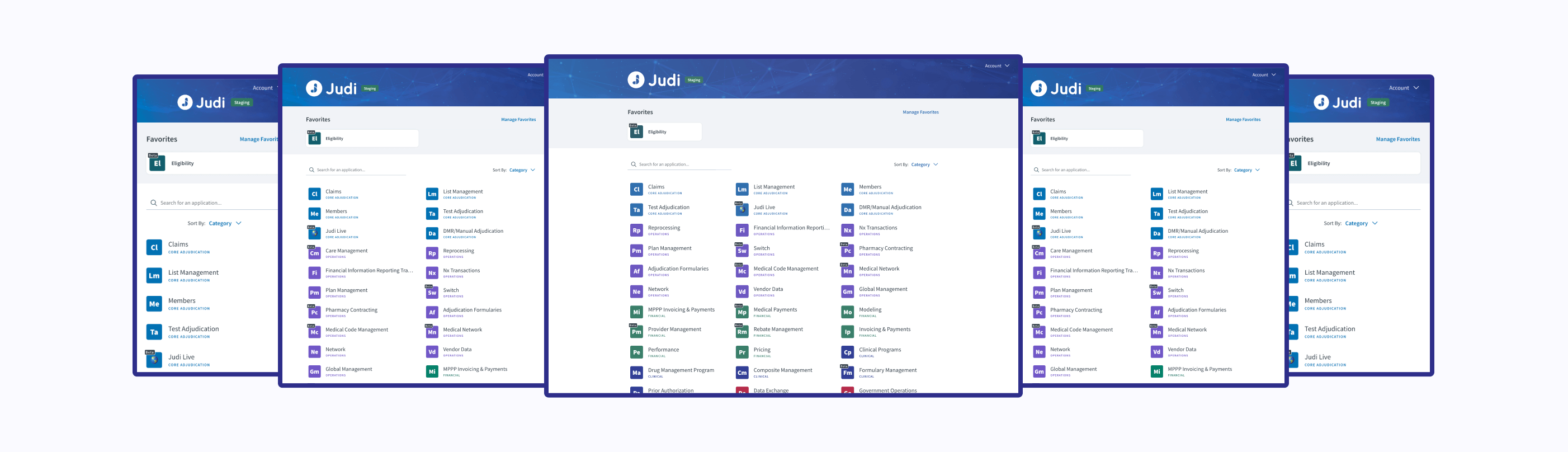
Judi® is a health platform built to grow and adapt with any organization. It makes it easy to handle new regulations and requirements, resulting in faster results, smoother operations, and a better experience for members overall.
Eligibility
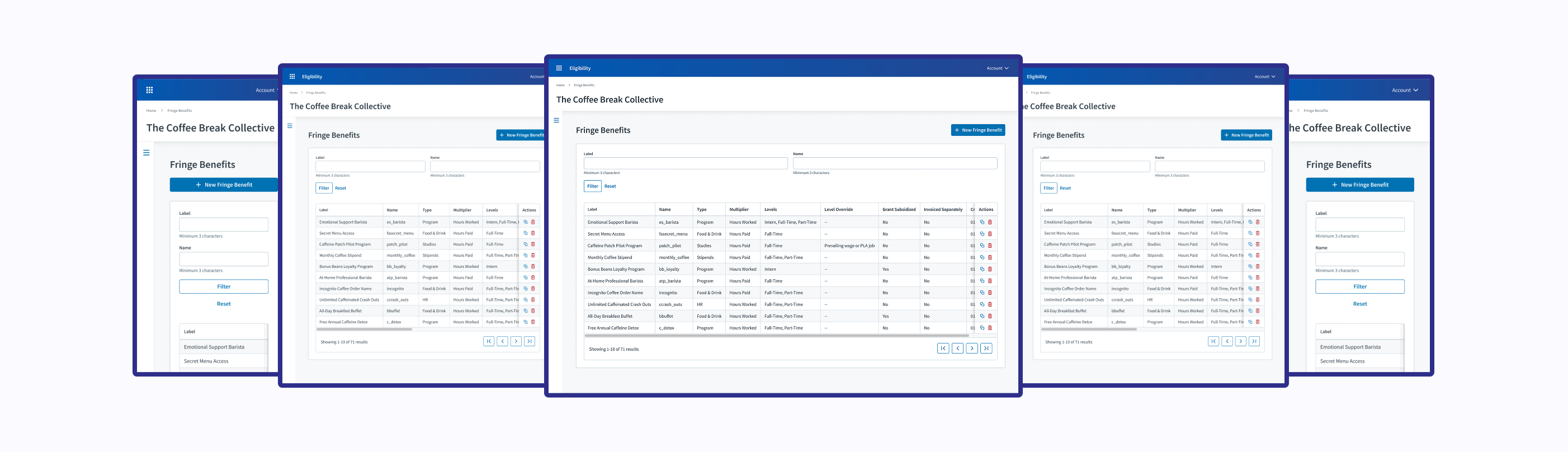
Within Judi®, my cross-functional Agile team owns the third-party administrator (TPA) Eligibility product, where benefit administrators configure requirements and manage cardholders, and employers submit timesheets and pay invoices.
Project Description
Imagine your team has been building a digital product for over a year under the guidance of stakeholders, who told the team that what you're building for one client will cater to many. Well, turns out that wasn’t the case, because this new client you gained has drastically different requirements compared to your current one. My product team is currently dealing with this scenario, and we soon discovered that our product needs a redesign to successfully cater to our clients’ needs.
The Challenge
My team needs to redesign our product, due to our new client’s requirements being significantly different than our current one. Thankfully, the whole experience doesn’t need to be redone, just key features.
The Discovery
Business Need
My team’s product needs to serve any client it gains.
User Need
Meet all of our specific requirements.

Thought:
Should we start generalizing our product to future-proof it?
How Might We...
How might we maintain two or more clients while keeping specific features?
How might we generalize our product for a seamless user experience?
How might we preserve client-specific features while expanding our product?
Thought:
What parts need to be redone?
Solution:
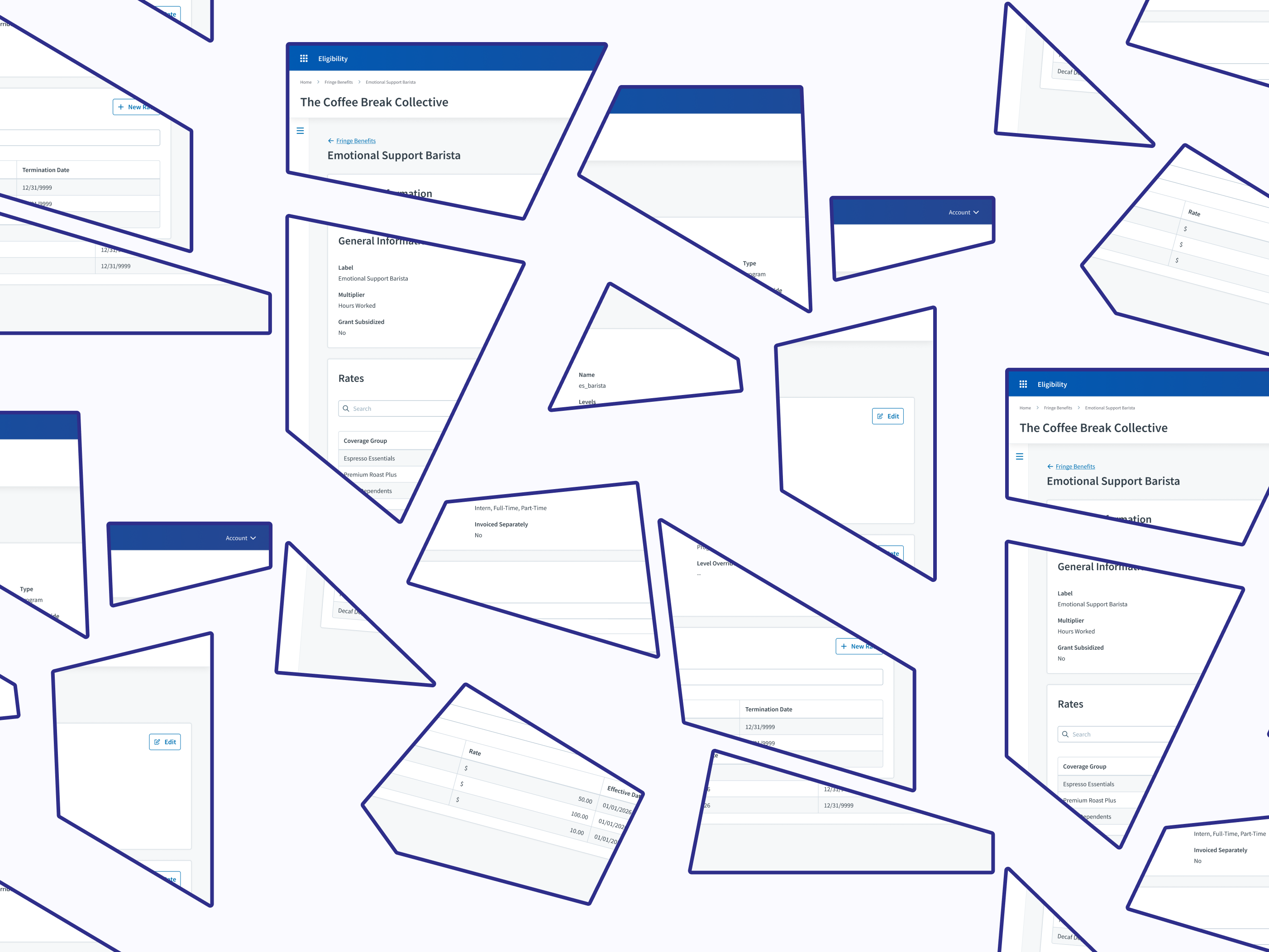
[redacted for confidentiality]
The Discovery
The Solution
Let’s redesign key product features to future-proof it, while still preserving client-specific features.
The Process (Ongoing)

Reminder:
This project is still active. Details are vague for confidentiality.
Workflow Consolidations
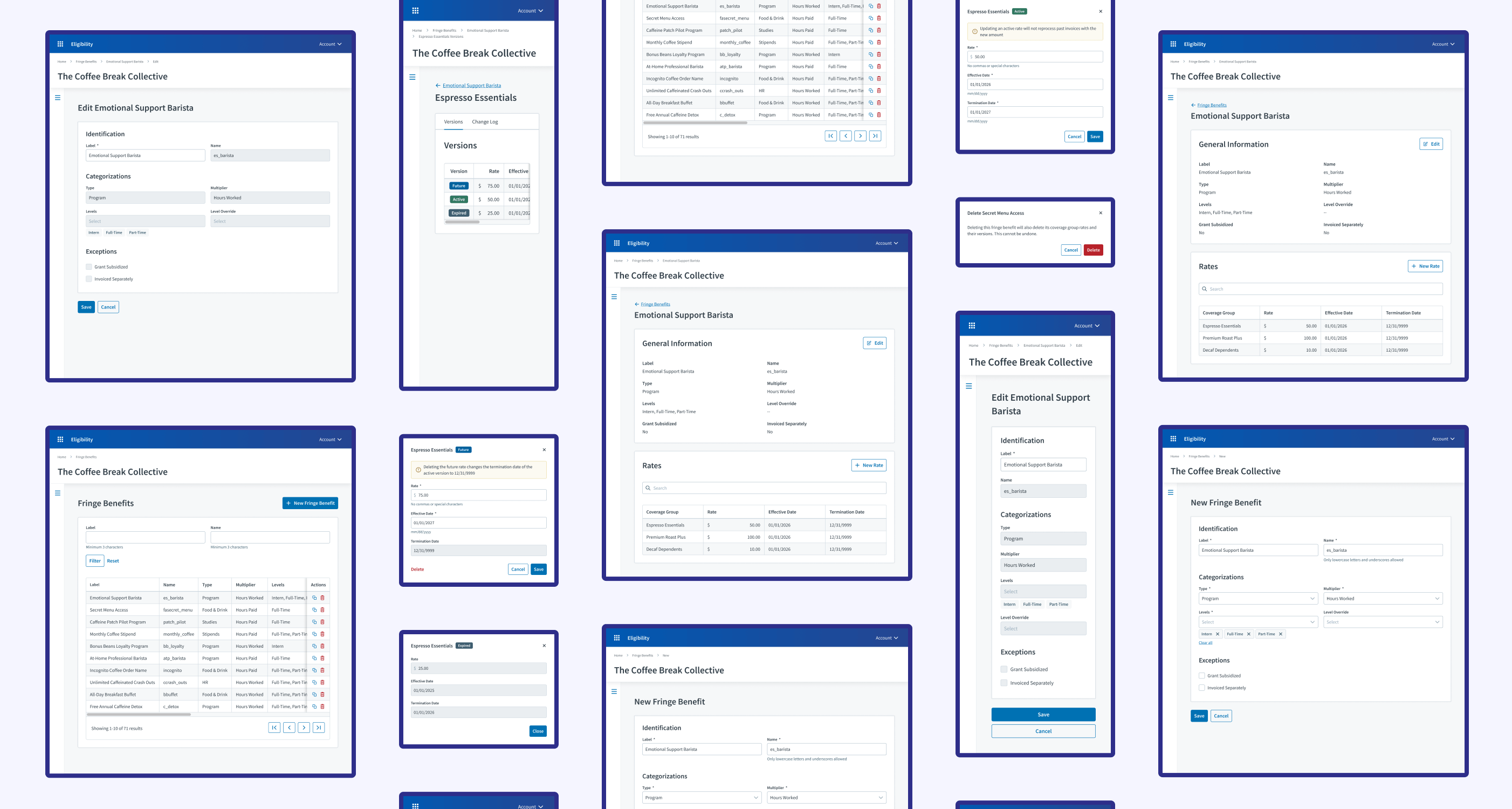
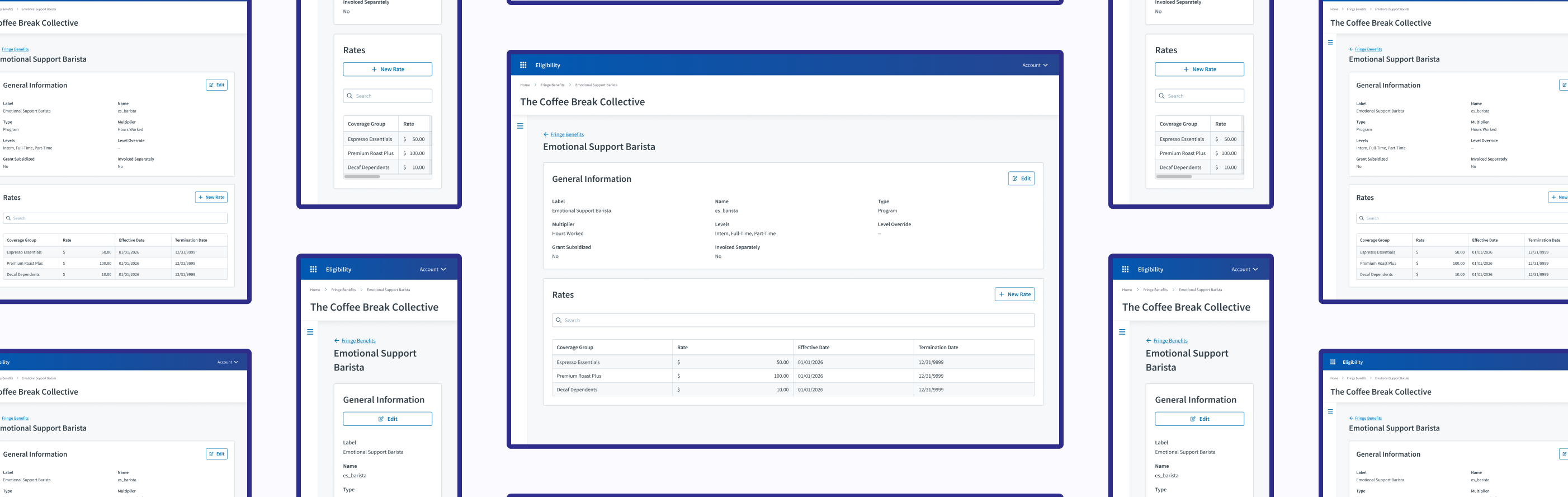
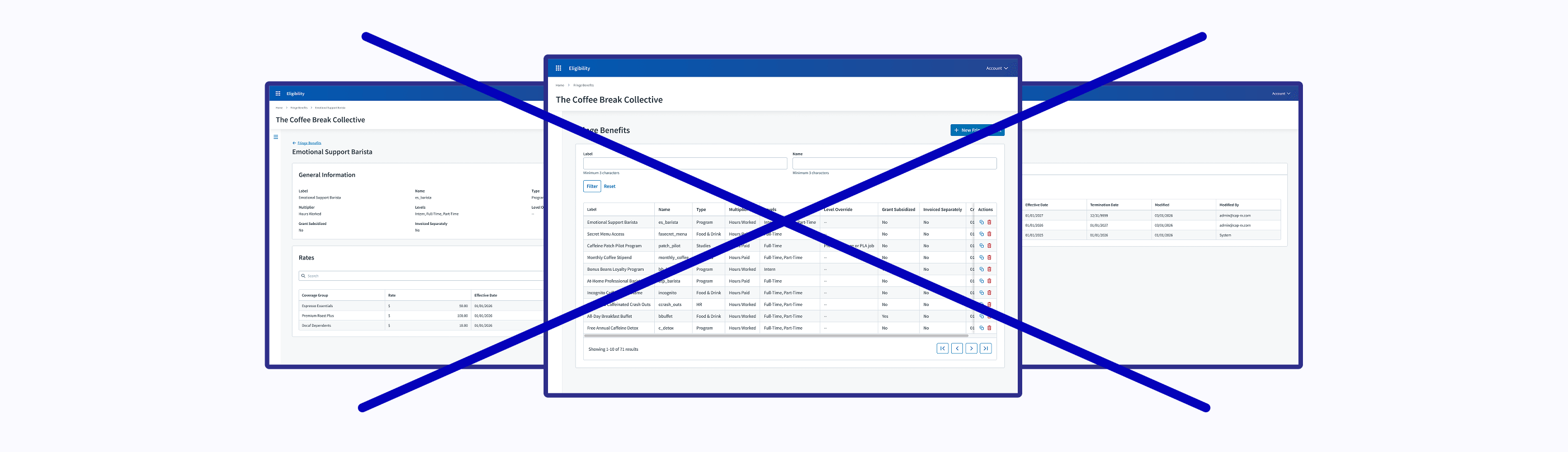
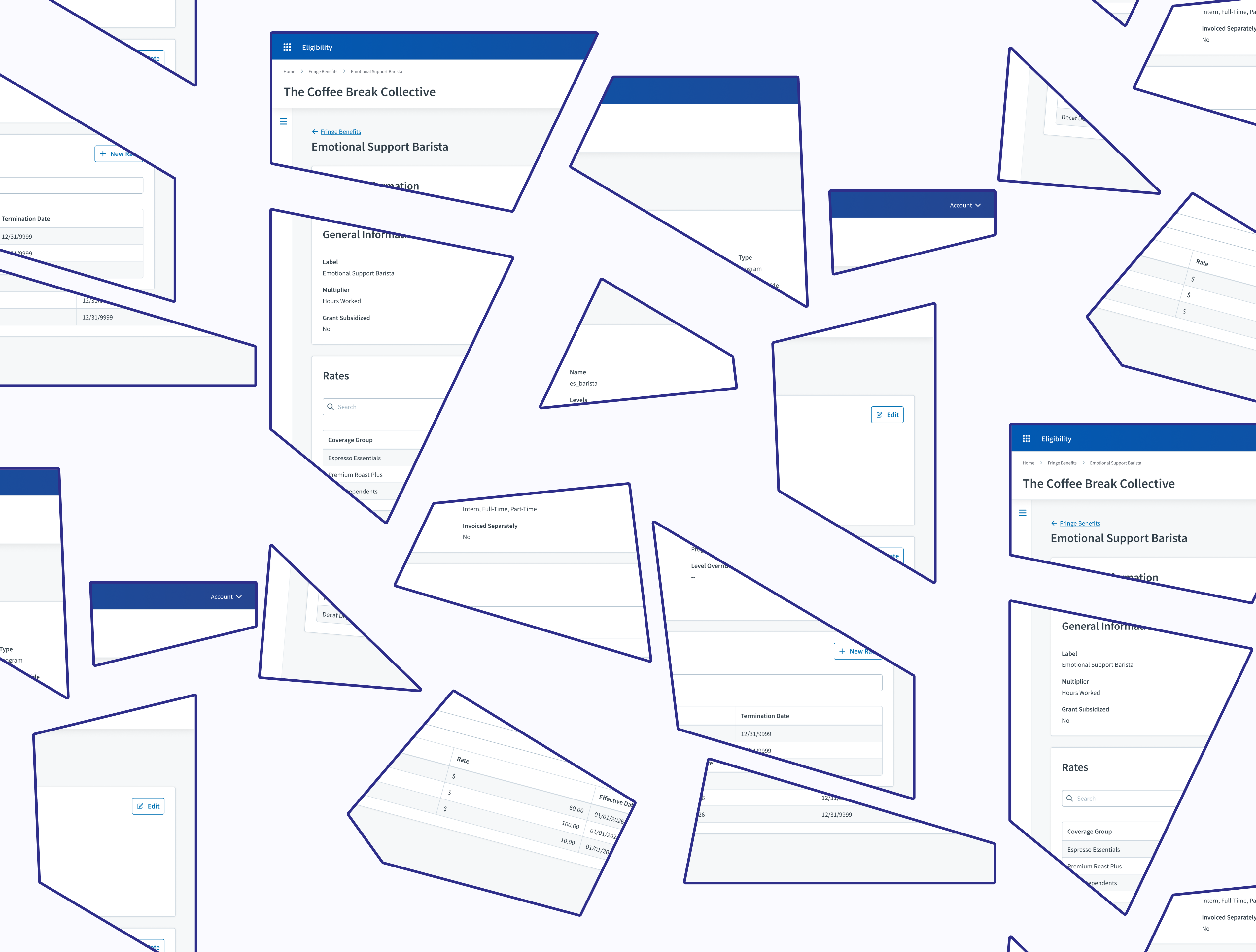
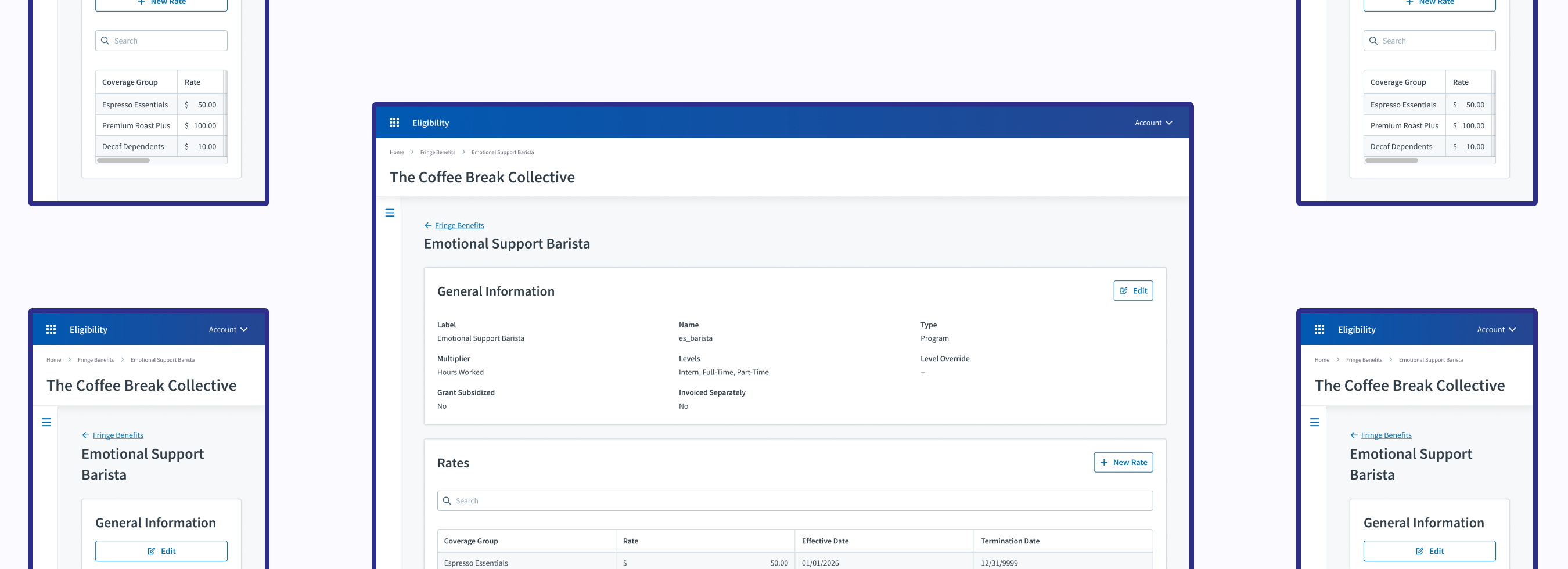
My team’s first task was to redesign our [redacted for confidentiality], so I consolidated 2 separate, yet related, user flows into one. That way, if we were to get more clients, we could keep adding on to this one flow.

Trimming Existing Workflows
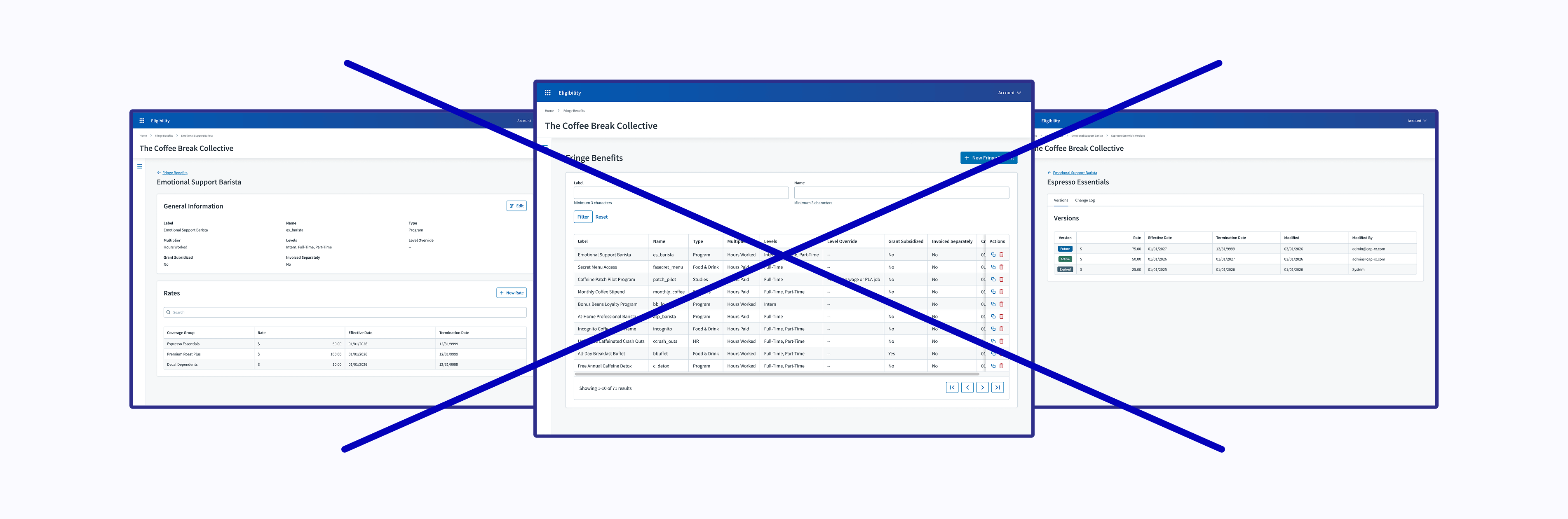
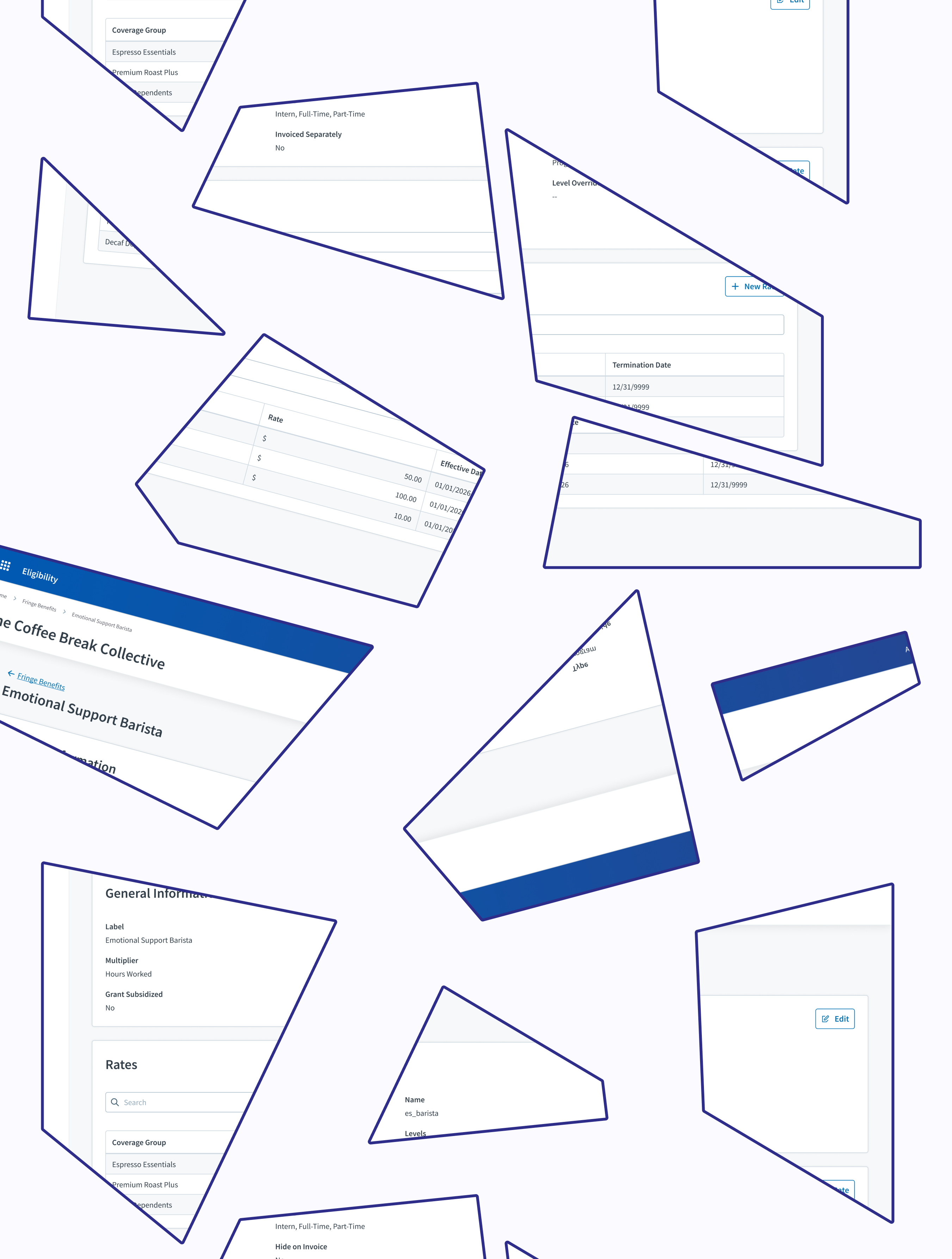
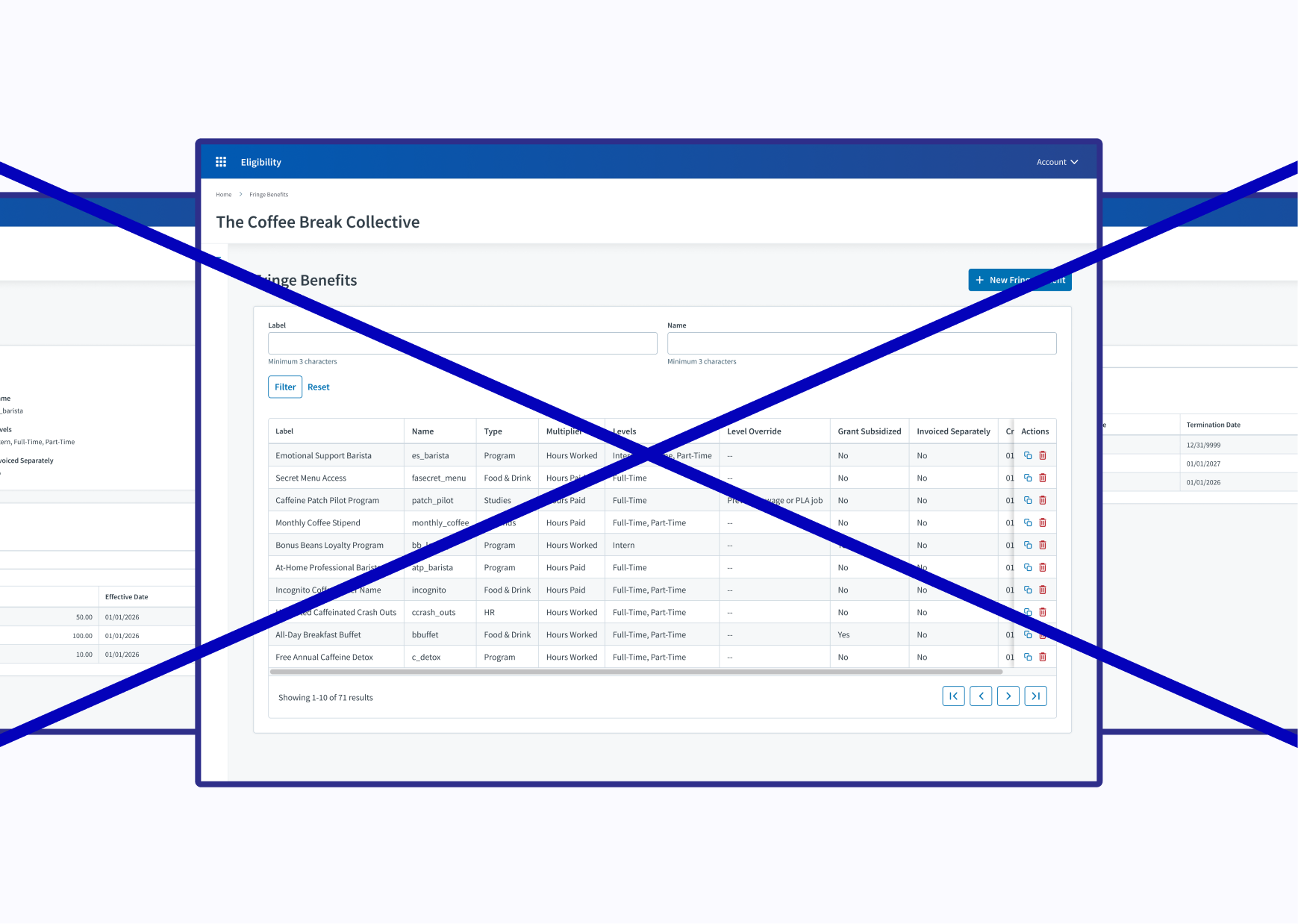
Due to the workflow consolidations, some features around the product needed to be removed to avoid redundancy and user confusion.
New Experiences
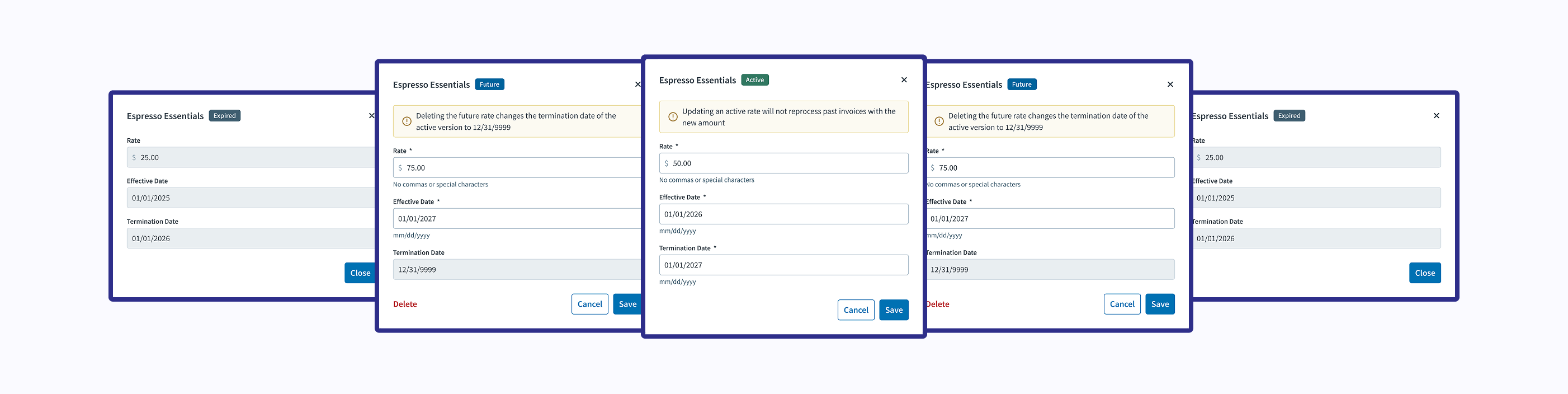
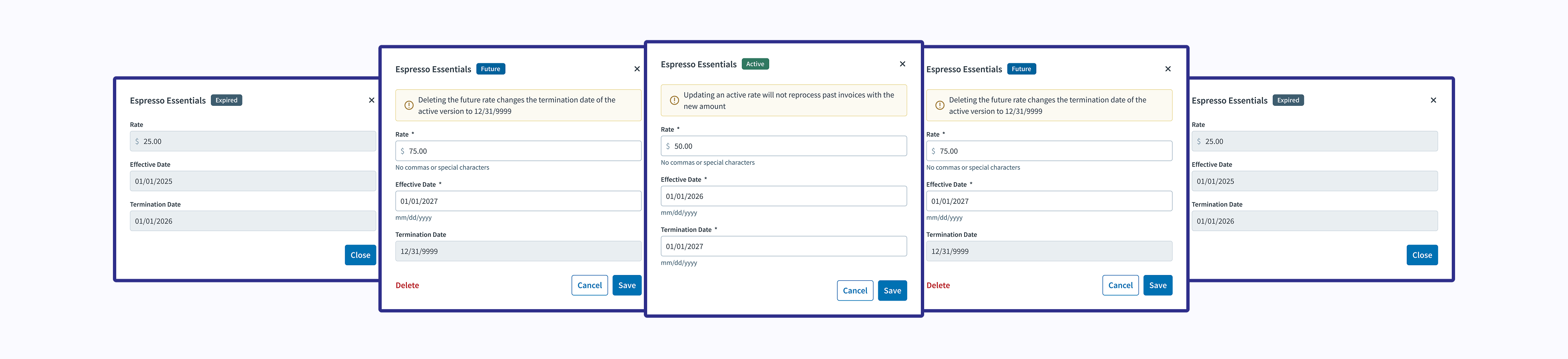
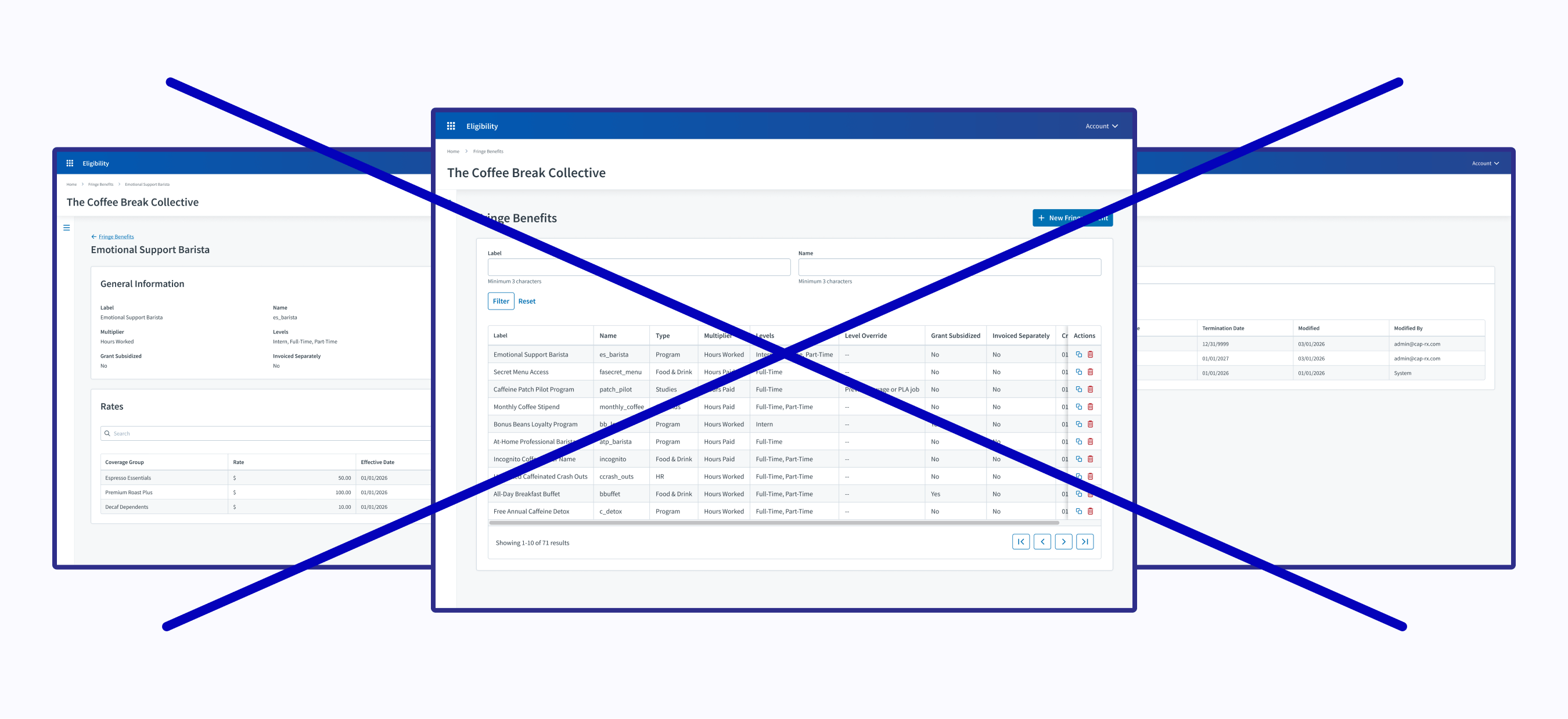
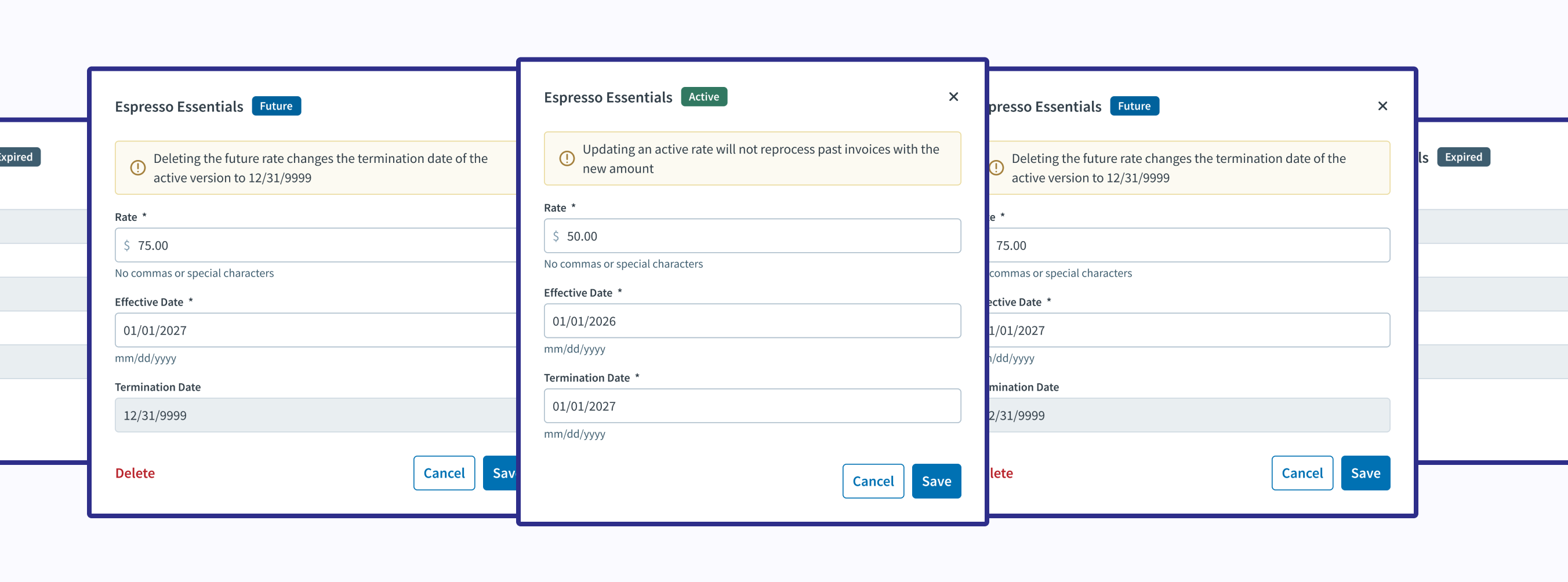
Some requests from our new client couldn’t be consolidated into any existing workflows, so new experiences were created.

User Review
During this redesign initiative, I schedule time with users to review design changes; however, before doing that, I meet with my developers to confirm if my designs are technically feasible. That way, I don’t present ideas that can’t be implemented. These review sessions allow me to gather feedback and refine the designs accordingly.
User Research Constraints
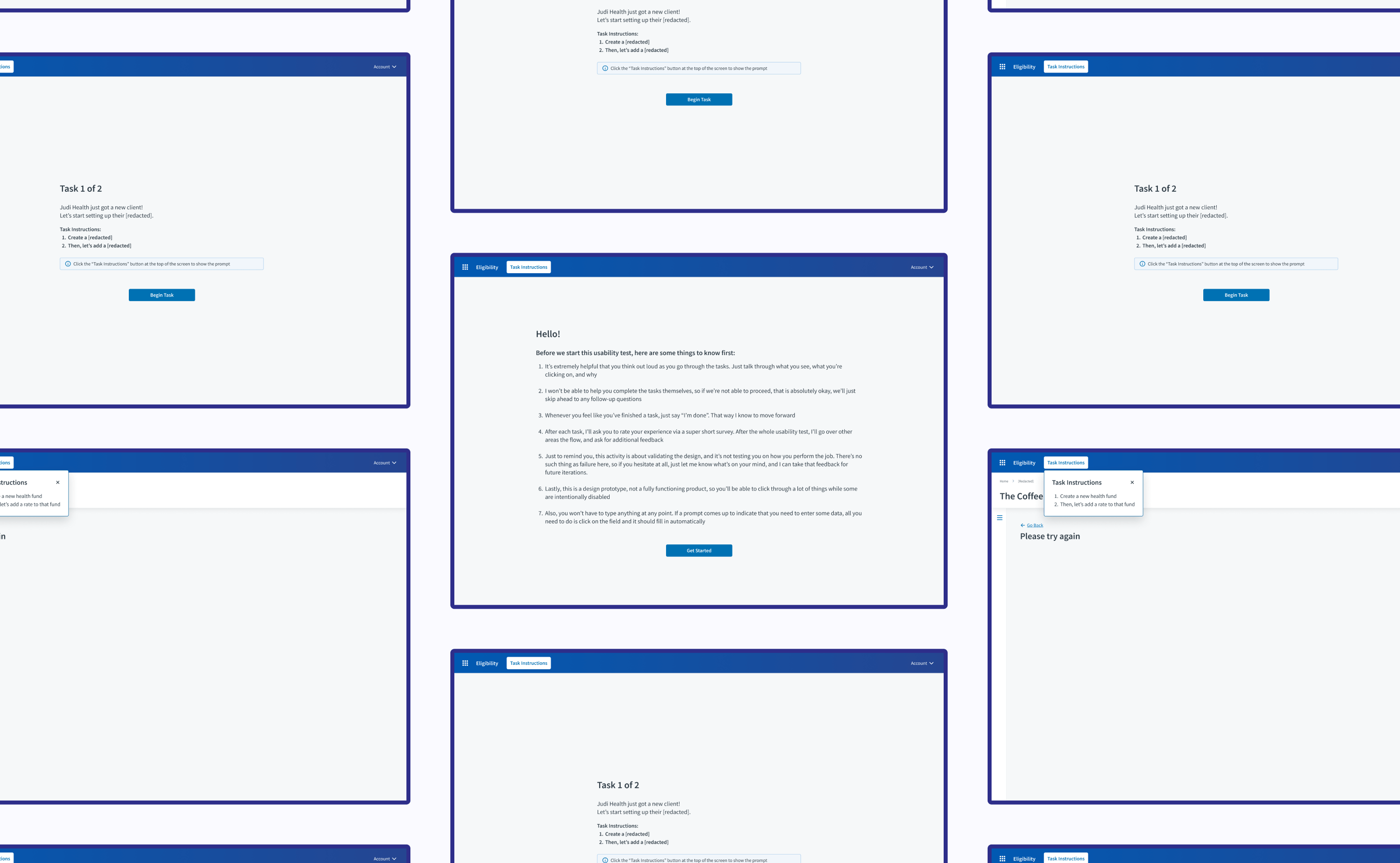
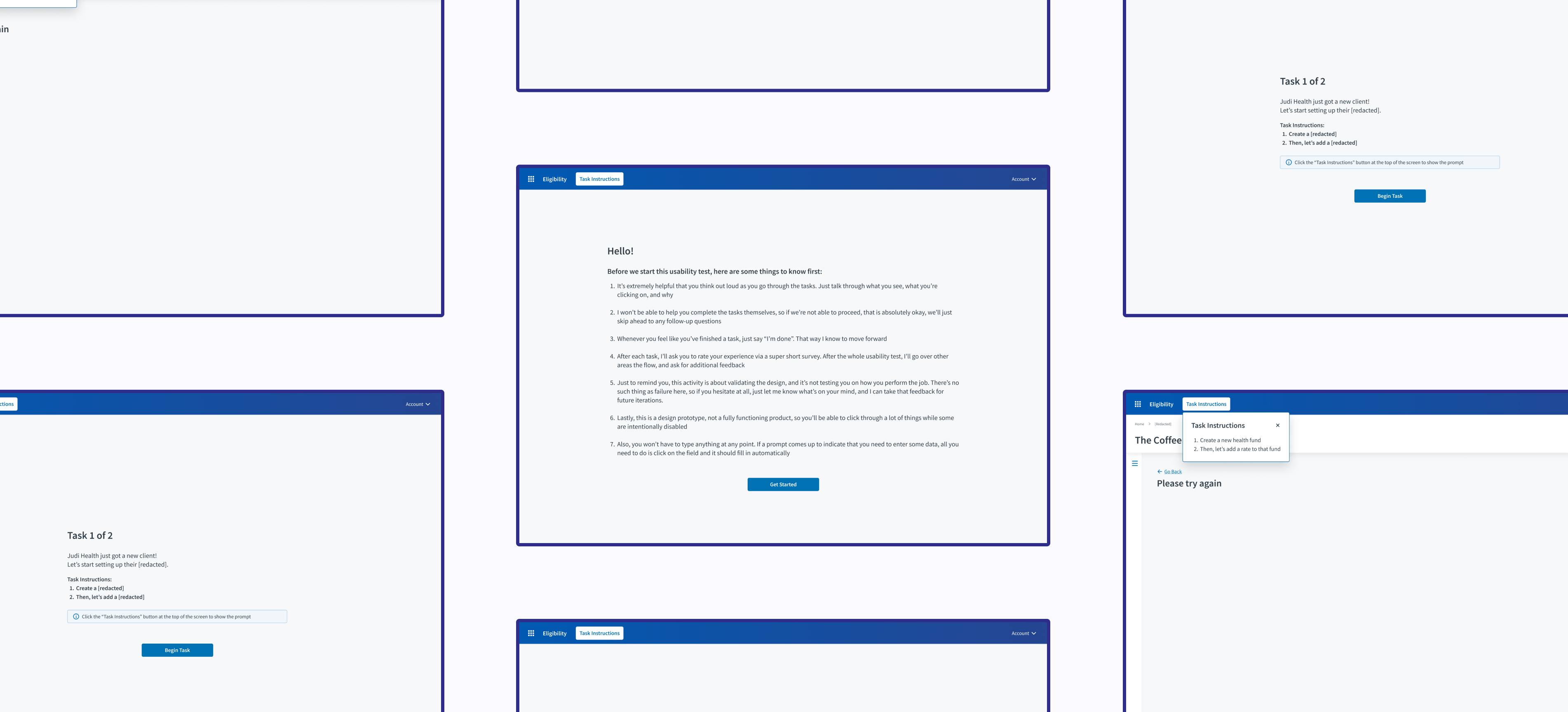
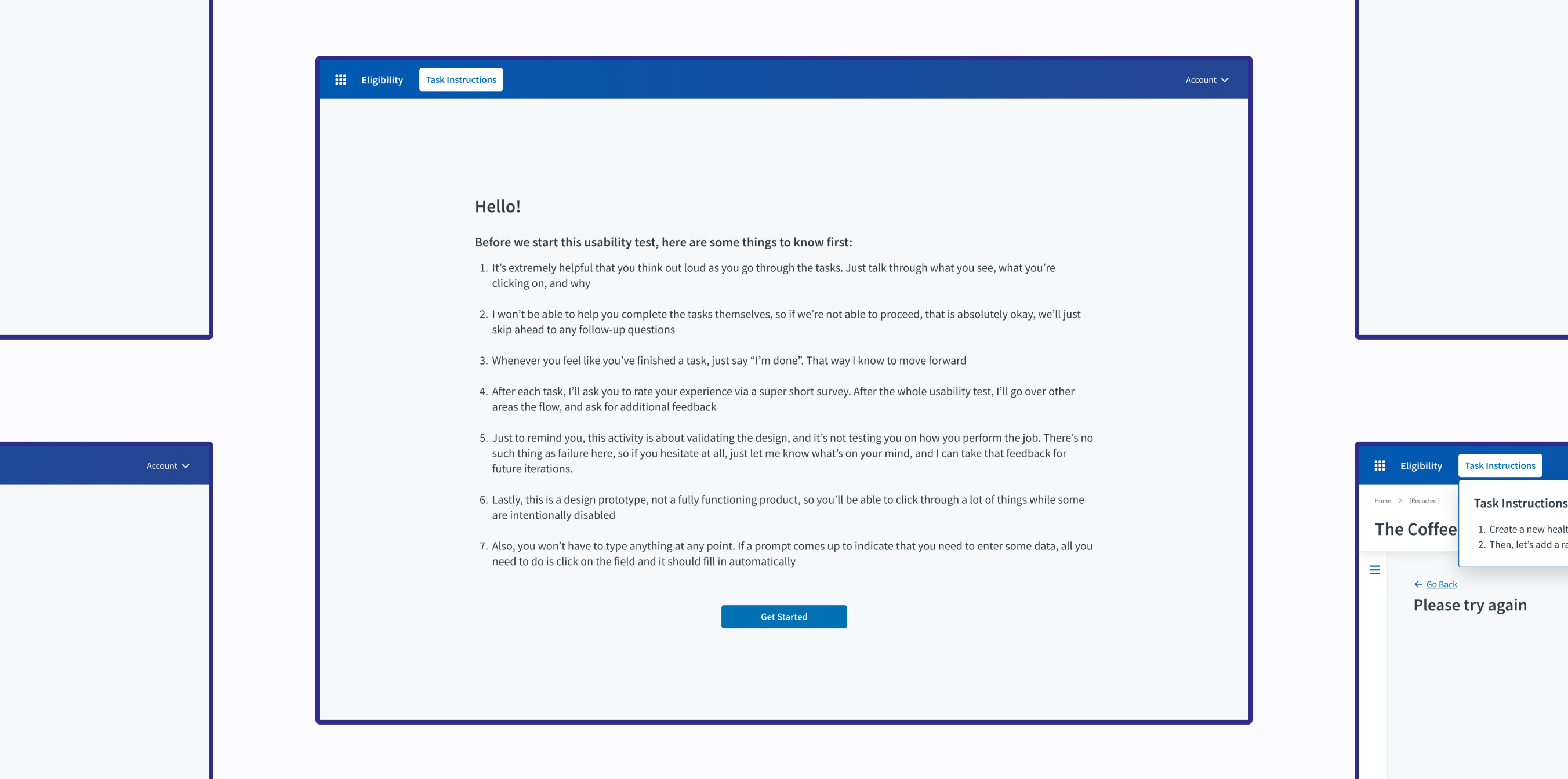
For user research, I don’t have great access to one of our clients. Our new client, on the other hand, holds weekly meetings with the team to address any questions. Once my project manager deems we have reached a minimal viable product (MVP) for them, I plan to do usability tests to ensure the new client can use what we’ve built.
Project Achievements (So Far)
So far, how have we preserved client-specific features while expanding our product?
Consolidations
Consolidated 2 workflows

Trims / Edits
Trimmed down 3 existing features
Creations
Created 6 new experiences

The Process
My Takeaways (So Far)
Being adaptable to changing requirements, especially within two-week sprints, is a skill all designers should learn how to do.
Scaling Without Sacrifice
Coming Q3 2026
- More updates to our product
- Over 1,400 Employers Gaining Key Features
- Over 1.3 million members serviced
Credits
Project Management
Eric Martinson
Scrum Master
Kelly Smith
Project Manager
Software Engineers
Ahmed Gamal
Technical QA Analyst
Cam Montgomery
Senior Full-Stack Software Developer 2
David Luther
Senior Back-End Software Developer 2
Enrique Mendez Castro
Software Developer
Hector Ubiera
Director Front-End Software Developer
Mindaugas Zukauskas (MZ)
Staff Software Developer
Mohammad Althayabeh
Senior Full-Stack Software Developer 2
User Experience
Raven Caffey
UI/UX Designer
Temporary Contributors
New hires who eventually transitioned to a new product team
Alberto Ortega
Senior Front-End Software Developer
Anthony Randazzo
Senior Back-End Software Developer
Christine Schilling
UI/UX Manager
Fin Martinez
Technical QA Analyst 2
Jeremy Tregunna
Software Developer
Kamil Sauma
Software Developer
Patrick Seals
Software Engineer
UI/UX Design Portfolio: Year 6 Edition
Case Study
Scaling Without Sacrifice
How might we preserve client-specific features while expanding our product?
B2B Enterprise Software
Continuous Discovery & Delivery
Product Strategy
Scalable System
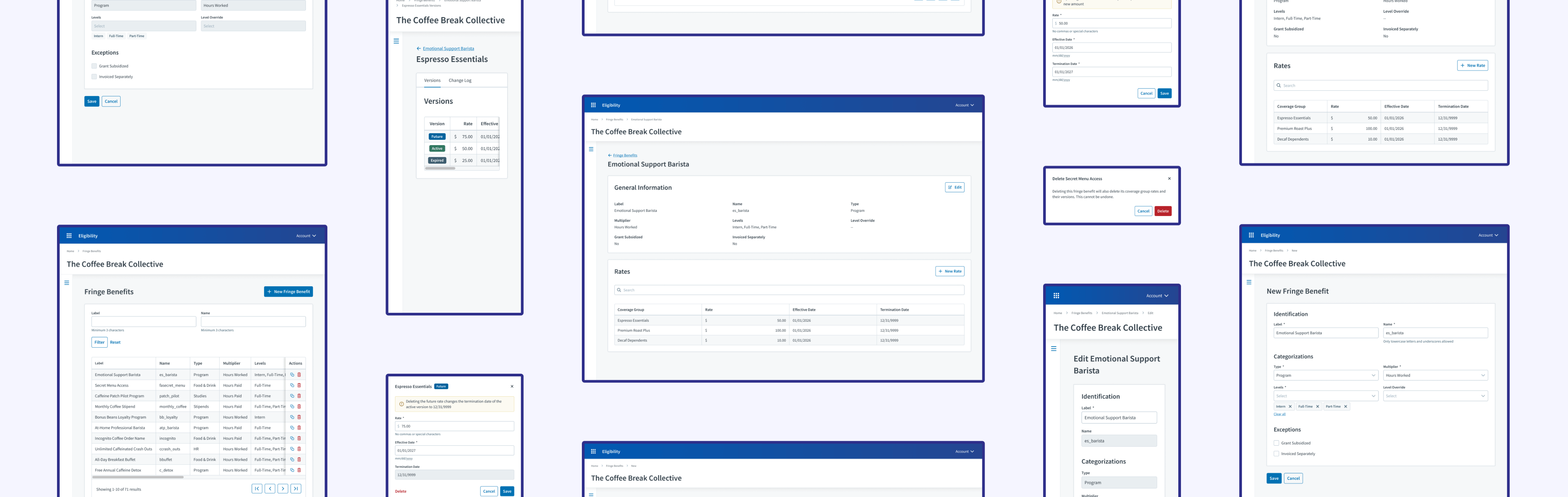
A Collaboration Between 3 Teams:
Development, Project Management, & User Experience
At a Glance
Chapter 01
The Challenge
My team needs to redesign our product, due to our new client’s requirements being significantly different than our current one. Thankfully, the whole experience doesn’t need to be redone, just key features.
Chapter 02
The Discovery
Business Need: My team’s product needs to serve any client it gains.
User Need: Meet all of our specific requirements.
Solution: Let’s redesign key product features to future-proof it, while still preserving client-specific features.
Chapter 03
The Process (Ongoing)
So far, I’ve consolidated 2 workflows, trimmed 3 existing features, and created 6 new experiences.My Takeaways (So Far): Being adaptable to changing requirements, especially within two-week sprints, is a skill all designers should learn how to do.
Chapter 04
Coming Q3 2026
- More updates to our product
- Over 1,400 employers gaining key features
- Over 1.3 million members serviced
Fine Print
Role
Lead UI/UX Designer
Responsibilities
User Interface
User Experience
User Research
Duration
Ongoing
Tools
Figma
Lucidchart
Primary Deliverables
2 Workflow Consolidations
3 Trimmed Workflows
6 New Experiences
Secondary Deliverables
User Research Feedback
High-Fidelity Wireframes
Prototypes
Company
Judi Health
Industry
Health Tech
Outline
Front Matter
Chapter 01
Chapter 02
Chapter 03
Chapter 04
Appendix
The Introduction
About Judi Health
This case study originates from work done at Judi Health, a health technology company focused on transforming how prescriptions are priced and patient care works to deliver the healthcare we all deserve. It acts as a pharmacy benefit manager (PBM) and pharmacy benefit administrator (PBA), working with health systems, universities, employers, and more.

Relevant Products
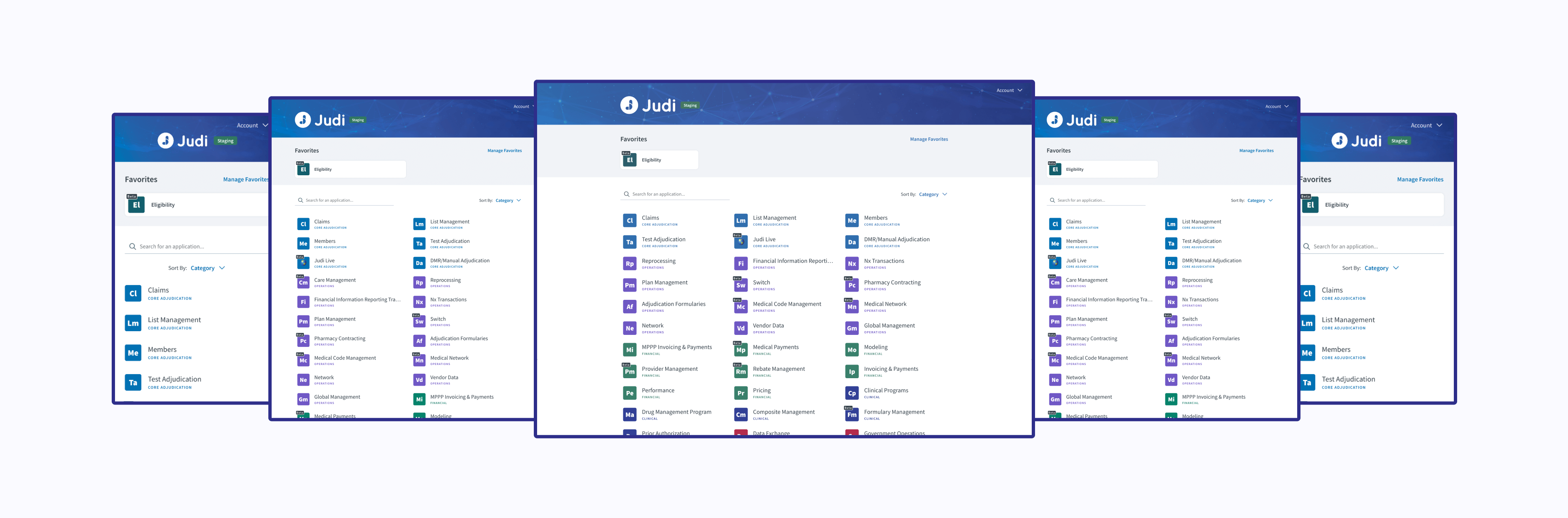
Judi®
Judi® is a health platform built to grow and adapt with any organization. It makes it easy to handle new regulations and requirements, resulting in faster results, smoother operations, and a better experience for members overall.
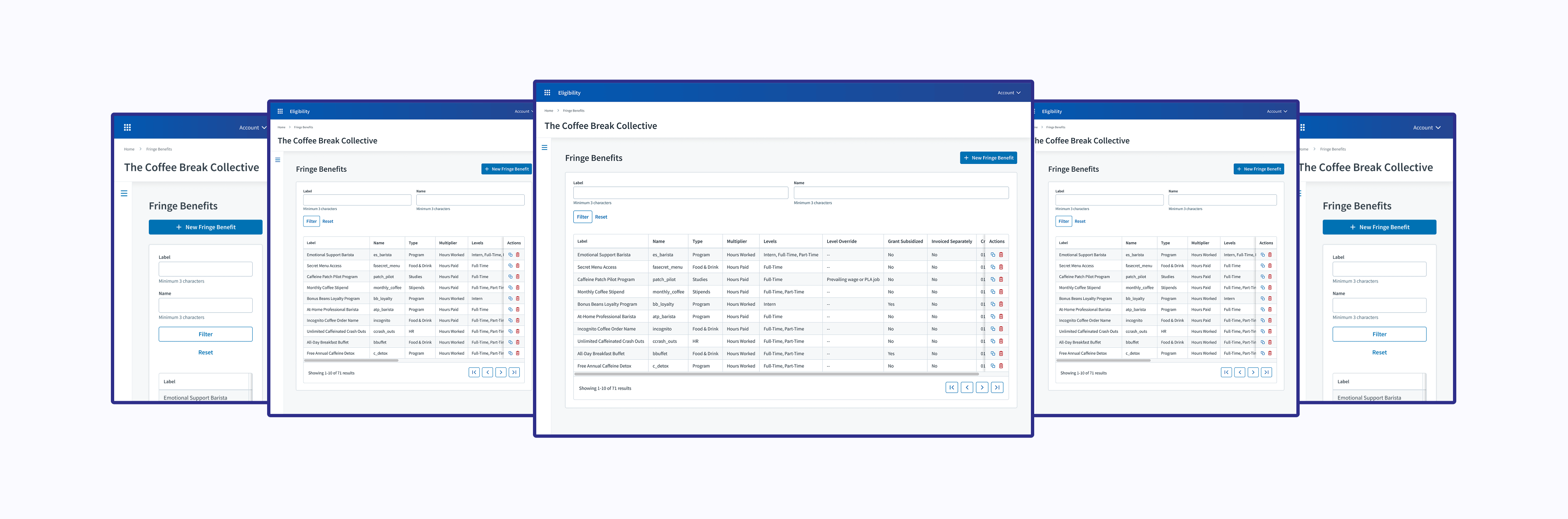
Eligibility
Within Judi®, my cross-functional Agile team owns the third-party administrator (TPA) Eligibility product, where benefit administrators configure requirements and manage cardholders, and employers submit timesheets and pay invoices.
Project Description
Imagine your team has been building a digital product for over a year under the guidance of stakeholders, who told the team that what you're building for one client will cater to many. Well, turns out that wasn’t the case, because this new client you gained has drastically different requirements compared to your current one. My product team is currently dealing with this scenario, and we soon discovered that our product needs a redesign to successfully cater to our clients’ needs.
The Challenge
My team needs to redesign our product, due to our new client’s requirements being significantly different than our current one. Thankfully, the whole experience doesn’t need to be redone, just key features.
The Discovery
Business Need
My team’s product needs to serve any client it gains.
User Need
Meet all of our specific requirements.
Thought:
Should we start generalizing our product to future-proof it?
How Might We...
How might we maintain two or more clients while keeping specific features?
How might we generalize our product for a seamless user experience?
How might we preserve client-specific features while expanding our product?
Thought:
What parts need to be redone?
Solution:
[redacted for confidentiality]
The Discovery
The Solution
Let’s redesign key product features to future-proof it, while still preserving client-specific features.
The Process (Ongoing)
Reminder:
This project is still active. Details are vague for confidentiality.
Workflow Consolidations
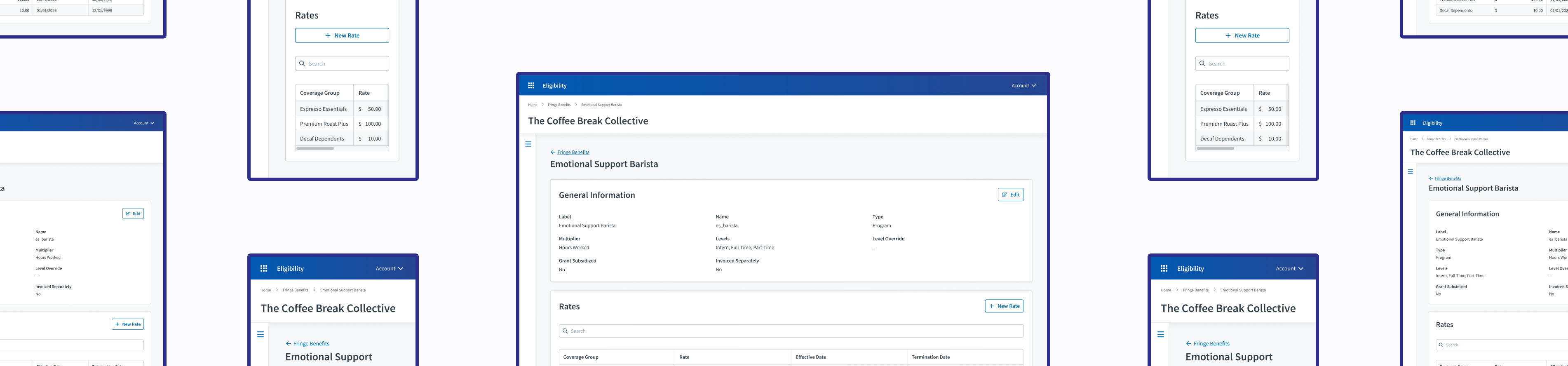
My team’s first task was to redesign our [redacted for confidentiality], so I consolidated 2 separate, yet related, user flows into one. That way, if we were to get more clients, we could keep adding on to this one flow.

Trimming Existing Workflows
Due to the workflow consolidations, some features around the product needed to be removed to avoid redundancy and user confusion.
New Experiences
Some requests from our new client couldn’t be consolidated into any existing workflows, so new experiences were created.


User Review
During this redesign initiative, I schedule time with users to review design changes; however, before doing that, I meet with my developers to confirm if my designs are technically feasible. That way, I don’t present ideas that can’t be implemented. These review sessions allow me to gather feedback and refine the designs accordingly.
User Research Constraints
For user research, I don’t have great access to one of our clients. Our new client, on the other hand, holds weekly meetings with the team to address any questions. Once my project manager deems we have reached a minimal viable product (MVP) for them, I plan to do usability tests to ensure the new client can use what we’ve built.
Project Achievements (So Far)
So far, how have we preserved client-specific features while expanding our product?
Consolidations
Consolidated 2 workflows

Trims / Edits
Trimmed down 3 existing features
Creations
Created 6 new experiences
The Process
My Takeaways (So Far)
Being adaptable to changing requirements, especially within two-week sprints, is a skill all designers should learn how to do.
Coming Q3 2026
- More updates to our product
- Over 1,400 Employers Gaining Key Features
- Over 1.3 million members serviced
Credits
Project Management
Eric Martinson
Scrum Master
Kelly Smith
Project Manager
Software Engineers
Ahmed Gamal
Technical QA Analyst
Cam Montgomery
Senior Full-Stack Software Developer 2
David Luther
Senior Back-End Software Developer 2
Enrique Mendez Castro
Software Developer
Hector Ubiera
Director Front-End Software Developer
Mindaugas Zukauskas (MZ)
Staff Software Developer
Mohammad Althayabeh
Senior Full-Stack Software Developer 2
User Experience
Raven Caffey
UI/UX Designer
Temporary Contributors
New hires who eventually transitioned to a new product team
Alberto Ortega
Senior Front-End Software Developer
Anthony Randazzo
Senior Back-End Software Developer
Christine Schilling
UI/UX Manager
Fin Martinez
Technical QA Analyst 2
Jeremy Tregunna
Software Developer
Kamil Sauma
Software Developer
Patrick Seals
Software Engineer
UI/UX Design Portfolio: Year 6 Edition
Case Study
Scaling Without Sacrifice
How might we preserve client-specific features while expanding our product?
B2B Enterprise Software
Continuous Discovery & Delivery
Product Strategy
Scalable System
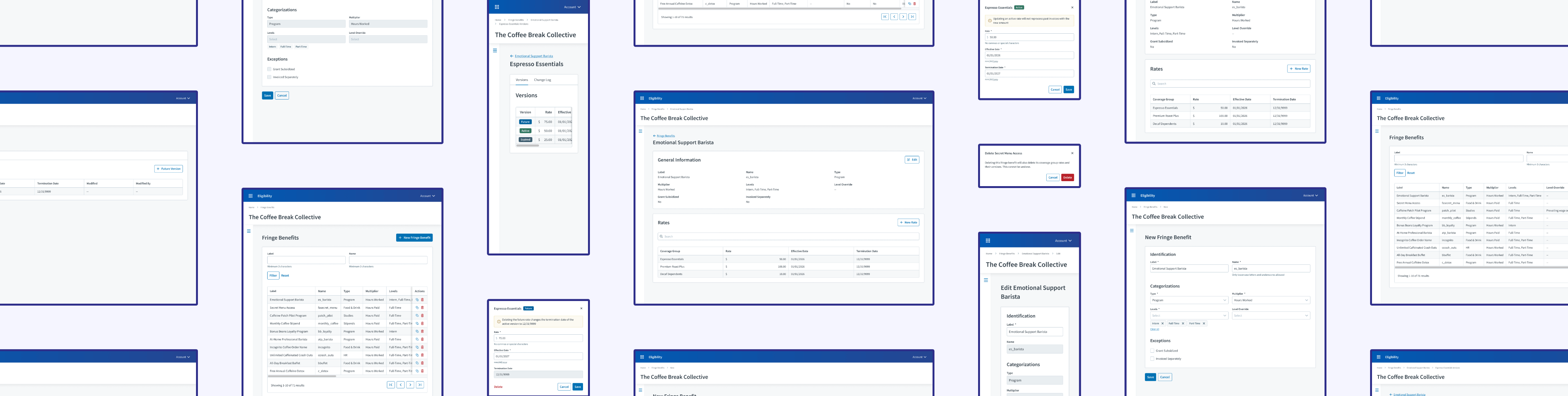
A Collaboration Between 3 Teams:
Development, Project Management, & User Experience
At a Glance
Chapter 01
The Challenge
My team needs to redesign our product, due to our new client’s requirements being significantly different than our current one. Thankfully, the whole experience doesn’t need to be redone, just key features.
Chapter 02
The Discovery
Business Need: My team’s product needs to serve any client it gains.
User Need: Meet all of our specific requirements.
Solution: Let’s redesign key product features to future-proof it, while still preserving client-specific features.
Chapter 03
The Process (Ongoing)
So far, I’ve consolidated 2 workflows, trimmed 3 existing features, and created 6 new experiences.My Takeaways (So Far): Being adaptable to changing requirements, especially within two-week sprints, is a skill all designers should learn how to do.
Chapter 04
Coming Q3 2026
- More updates to our product
- Over 1,400 employers gaining key features
- Over 1.3 million members serviced
Fine Print
Role
Lead UI/UX Designer
Responsibilities
User Interface
User Experience
User Research
Duration
Ongoing
Tools
Figma
Lucidchart
Primary Deliverables
2 Workflow Consolidations
3 Trimmed Workflows
6 New Experiences
Secondary Deliverables
User Research Feedback
High-Fidelity Wireframes
Prototypes
Company
Judi Health
Industry
Health Tech
Outline
Front Matter
Chapter 01
Chapter 02
Chapter 03
Chapter 04
Appendix
The Introduction
About Judi Health
This case study originates from work done at Judi Health, a health technology company focused on transforming how prescriptions are priced and patient care works to deliver the healthcare we all deserve. It acts as a pharmacy benefit manager (PBM) and pharmacy benefit administrator (PBA), working with health systems, universities, employers, and more.
Relevant Products
Judi®
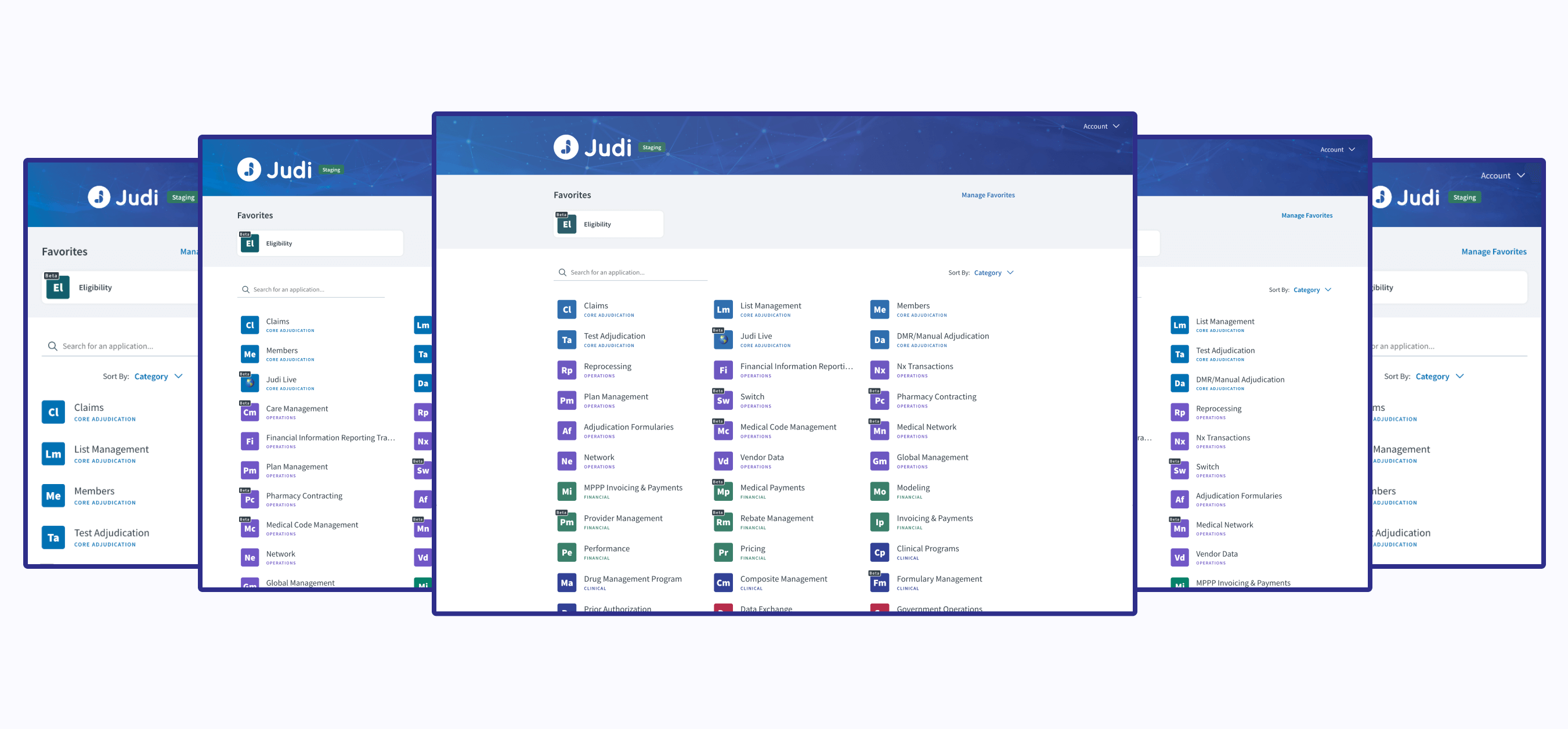
Judi® is a health platform built to grow and adapt with any organization. It makes it easy to handle new regulations and requirements, resulting in faster results, smoother operations, and a better experience for members overall.
Eligibility
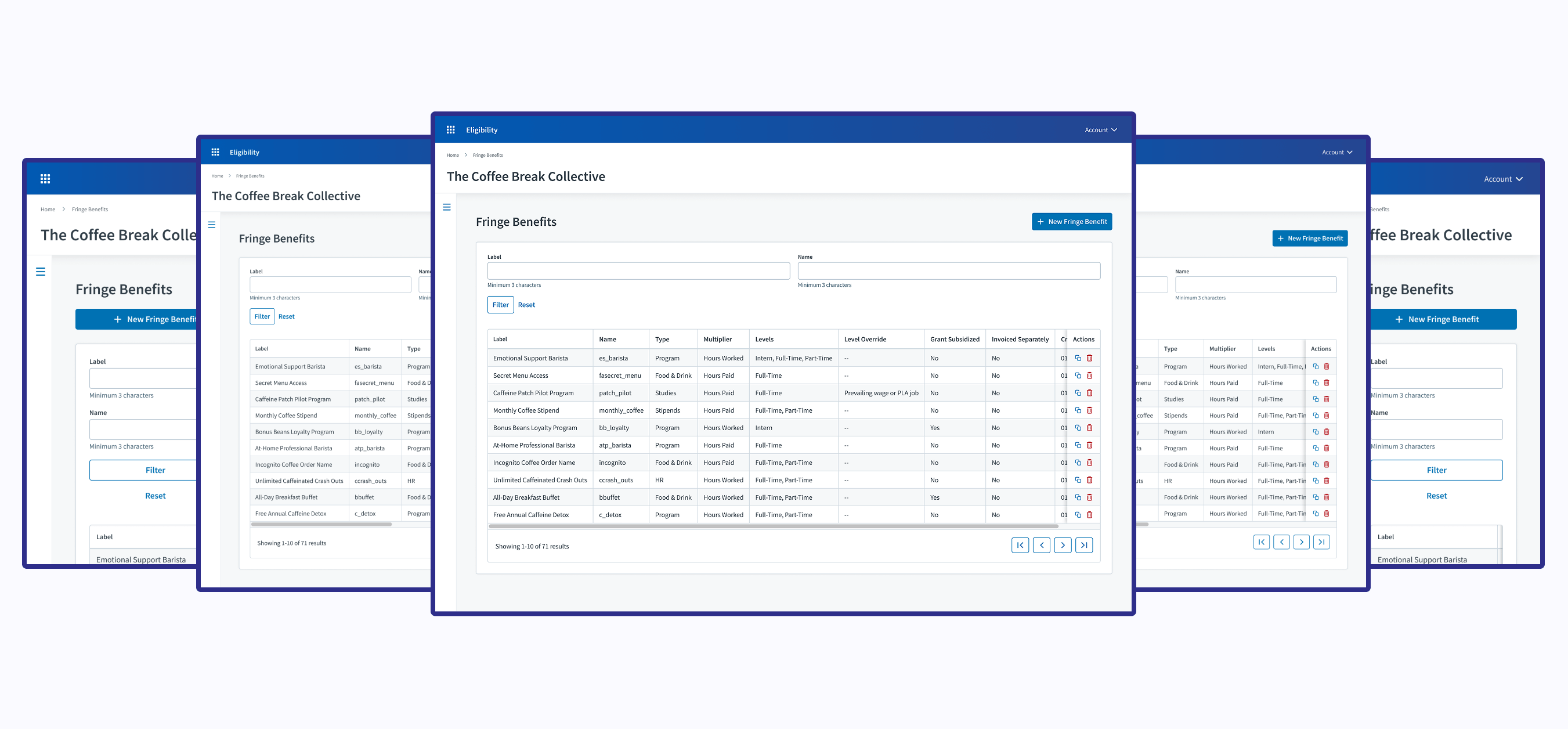
Within Judi®, my cross-functional Agile team owns the third-party administrator (TPA) Eligibility product, where benefit administrators configure requirements and manage cardholders, and employers submit timesheets and pay invoices.
Project Description
Imagine your team has been building a digital product for over a year under the guidance of stakeholders, who told the team that what you're building for one client will cater to many. Well, turns out that wasn’t the case, because this new client you gained has drastically different requirements compared to your current one. My product team is currently dealing with this scenario, and we soon discovered that our product needs a redesign to successfully cater to our clients’ needs.
The Challenge
My team needs to redesign our product, due to our new client’s requirements being significantly different than our current one. Thankfully, the whole experience doesn’t need to be redone, just key features.
The Discovery
Business Need
My team’s product needs to serve any client it gains.
User Need
Meet all of our specific requirements.
Thought:
Should we start generalizing our product to future-proof it?
How Might We...
How might we maintain two or more clients while keeping specific features?
How might we generalize our product for a seamless user experience?
How might we preserve client-specific features while expanding our product?
Thought:
What parts need to be redone?
Solution:
[redacted for confidentiality]
The Discovery
The Solution
Let’s redesign key product features to future-proof it, while still preserving client-specific features.
The Process (Ongoing)
Reminder:
This project is still active. Details are vague for confidentiality.
Workflow Consolidations
My team’s first task was to redesign our [redacted for confidentiality], so I consolidated 2 separate, yet related, user flows into one. That way, if we were to get more clients, we could keep adding on to this one flow.

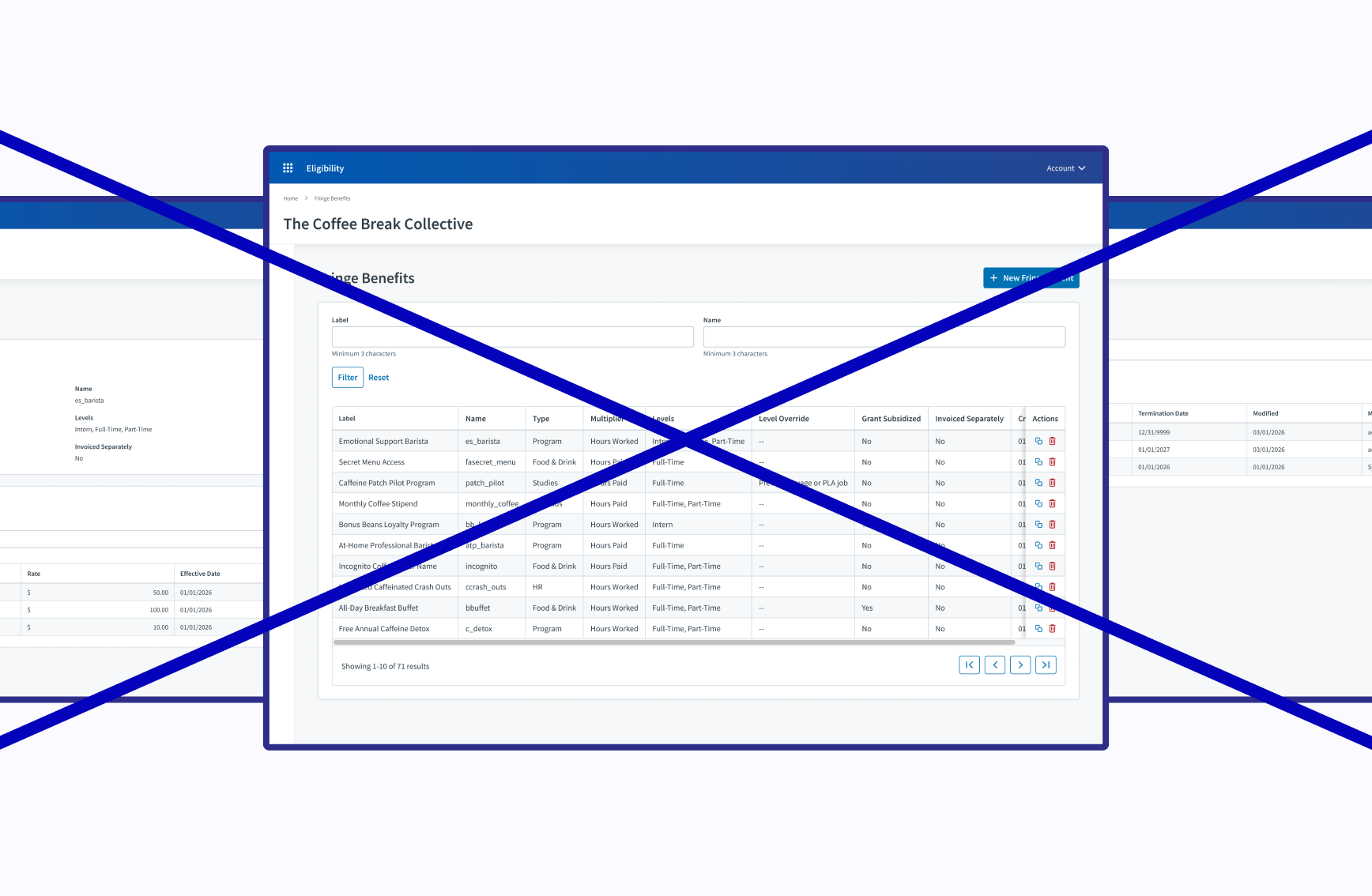
Trimming Existing Workflows
Due to the workflow consolidations, some features around the product needed to be removed to avoid redundancy and user confusion.
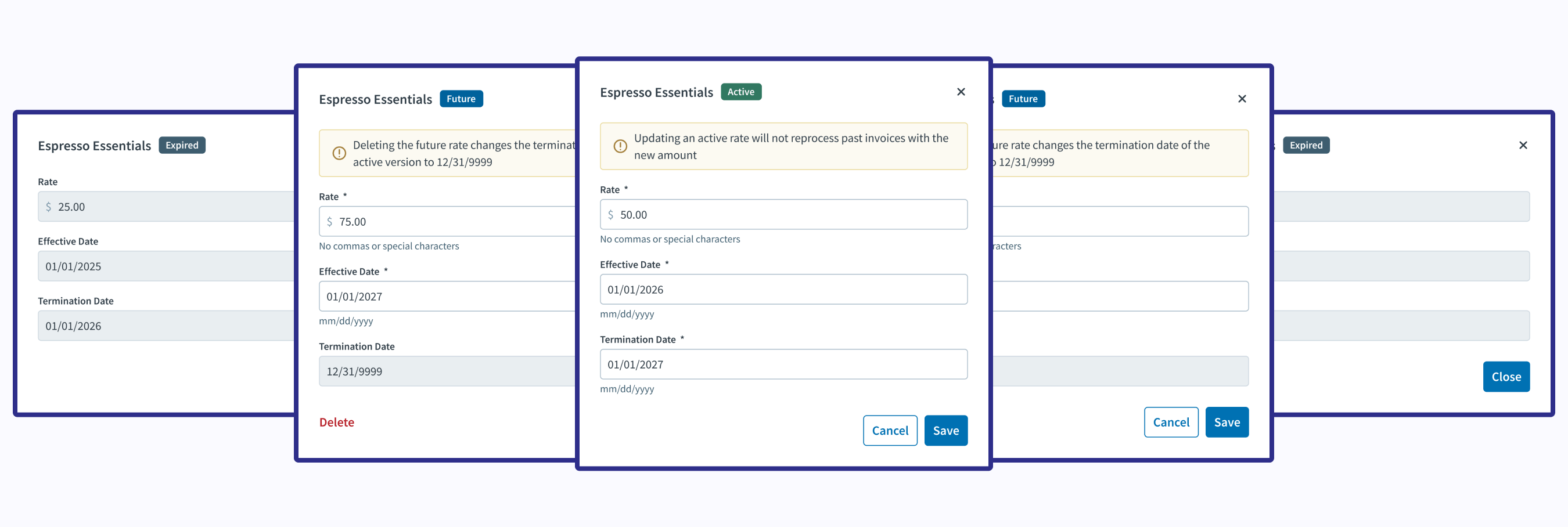
New Experiences
Some requests from our new client couldn’t be consolidated into any existing workflows, so new experiences were created.
User Review
During this redesign initiative, I schedule time with users to review design changes; however, before doing that, I meet with my developers to confirm if my designs are technically feasible. That way, I don’t present ideas that can’t be implemented. These review sessions allow me to gather feedback and refine the designs accordingly.
User Research Constraints
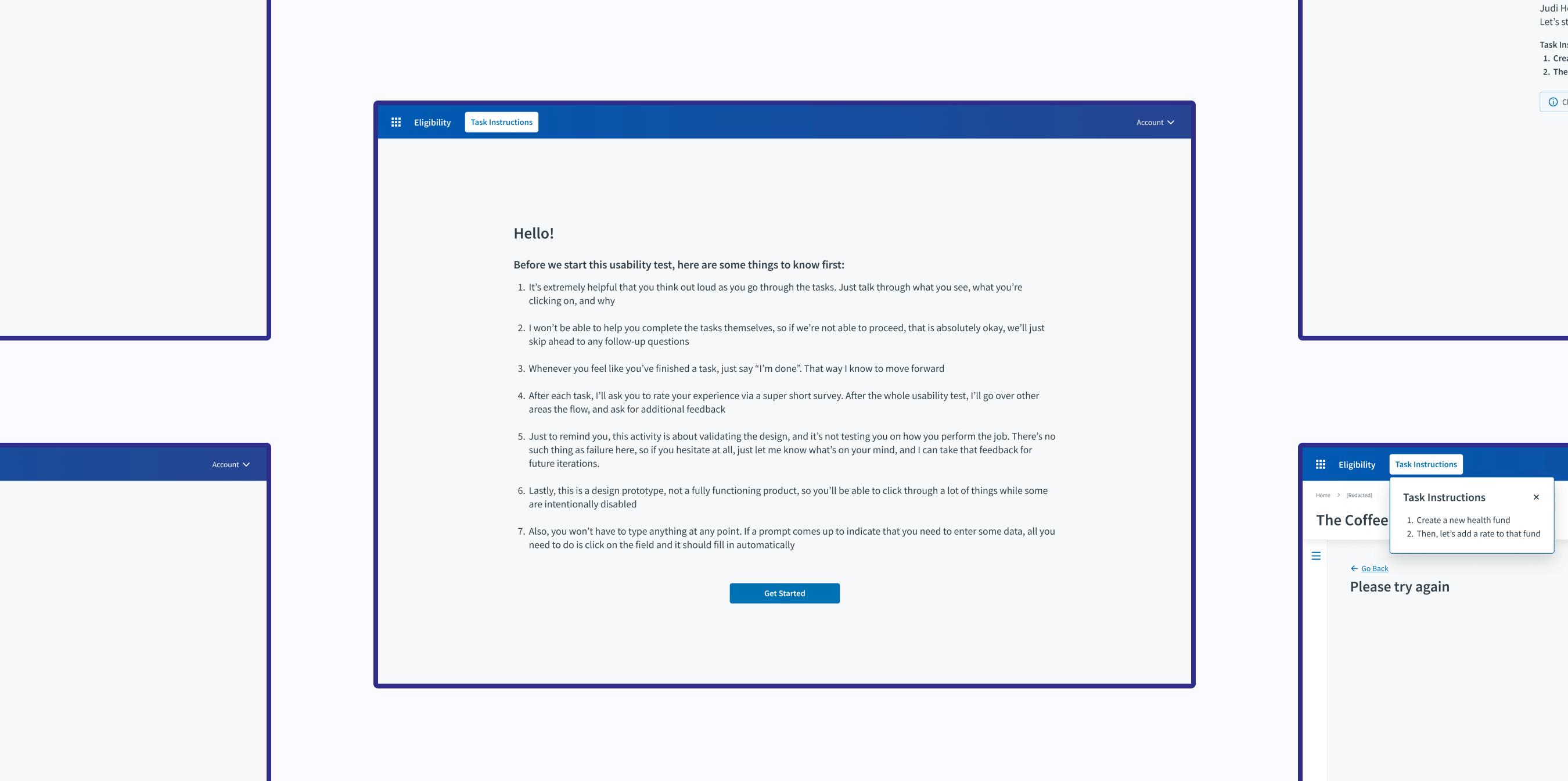
For user research, I don’t have great access to one of our clients. Our new client, on the other hand, holds weekly meetings with the team to address any questions. Once my project manager deems we have reached a minimal viable product (MVP) for them, I plan to do usability tests to ensure the new client can use what we’ve built.
Project Achievements (So Far)
So far, how have we preserved client-specific features while expanding our product?
Consolidations
Consolidated 2 workflows
Trims / Edits
Trimmed down 3 existing features
Creations
Created 6 new experiences
The Process
My Takeaways (So Far)
Being adaptable to changing requirements, especially within two-week sprints, is a skill all designers should learn how to do.
Coming Q3 2026
- More updates to our product
- Over 1,400 Employers Gaining Key Features
- Over 1.3 million members serviced
Credits
Project Management
Eric Martinson
Scrum Master
Kelly Smith
Project Manager
Software Engineers
Ahmed Gamal
Technical QA Analyst
Cam Montgomery
Senior Full-Stack Software Developer 2
David Luther
Senior Back-End Software Developer 2
Enrique Mendez Castro
Software Developer
Hector Ubiera
Director Front-End Software Developer
Mindaugas Zukauskas (MZ)
Staff Software Developer
Mohammad Althayabeh
Senior Full-Stack Software Developer 2
User Experience
Raven Caffey
UI/UX Designer
Temporary Contributors
New hires who eventually transitioned to a new product team
Alberto Ortega
Senior Front-End Software Developer
Anthony Randazzo
Senior Back-End Software Developer
Christine Schilling
UI/UX Manager
Fin Martinez
Technical QA Analyst 2
Jeremy Tregunna
Software Developer
Kamil Sauma
Software Developer
Patrick Seals
Software Engineer
UI/UX Design Portfolio: Year 6 Edition
Case Study
Scaling Without Sacrifice
How might we preserve client-specific features while expanding our product?
B2B Enterprise Software
Continuous Discovery & Delivery
Product Strategy
Scalable System
A Collaboration Between 3 Teams:
Development, Project Management, & User Experience
At a Glance
Chapter 01
The Challenge
My team needs to redesign our product, due to our new client’s requirements being significantly different than our current one. Thankfully, the whole experience doesn’t need to be redone, just key features.
Chapter 02
The Discovery
Business Need: My team’s product needs to serve any client it gains.
User Need: Meet all of our specific requirements.
Solution: Let’s redesign key product features to future-proof it, while still preserving client-specific features.
Chapter 03
The Process (Ongoing)
So far, I’ve consolidated 2 workflows, trimmed 3 existing features, and created 6 new experiences.My Takeaways (So Far): Being adaptable to changing requirements, especially within two-week sprints, is a skill all designers should learn how to do.
Chapter 04
Coming Q3 2026
- More updates to our product
- Over 1,400 employers gaining key features
- Over 1.3 million members serviced
Fine Print
Role
Lead UI/UX Designer
Responsibilities
User Interface
User Experience
User Research
Duration
Ongoing
Tools
Figma
Lucidchart
Primary Deliverables
2 Workflow Consolidations
3 Trimmed Workflows
6 New Experiences
Secondary Deliverables
User Research Feedback
High-Fidelity Wireframes
Prototypes
Company
Judi Health
Industry
Health Tech
Outline
Front Matter
The Introduction
Chapter 01
Chapter 02
Chapter 03
Chapter 04
Appendix
The Introduction
About Judi Health
This case study originates from work done at Judi Health, a health technology company focused on transforming how prescriptions are priced and patient care works to deliver the healthcare we all deserve. It acts as a pharmacy benefit manager (PBM) and pharmacy benefit administrator (PBA), working with health systems, universities, employers, and more.
Relevant Products
Judi®
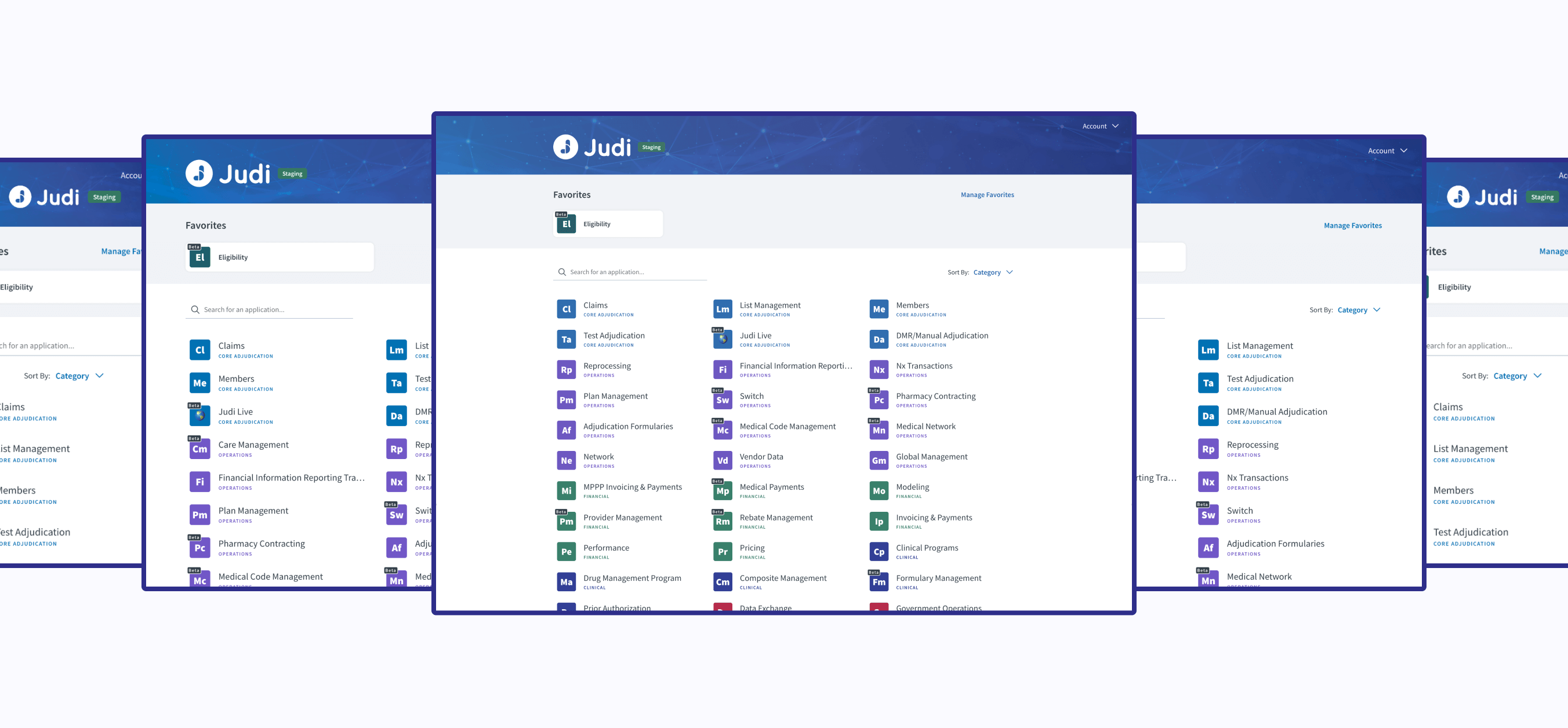
Judi® is a health platform built to grow and adapt with any organization. It makes it easy to handle new regulations and requirements, resulting in faster results, smoother operations, and a better experience for members overall.
Eligibility
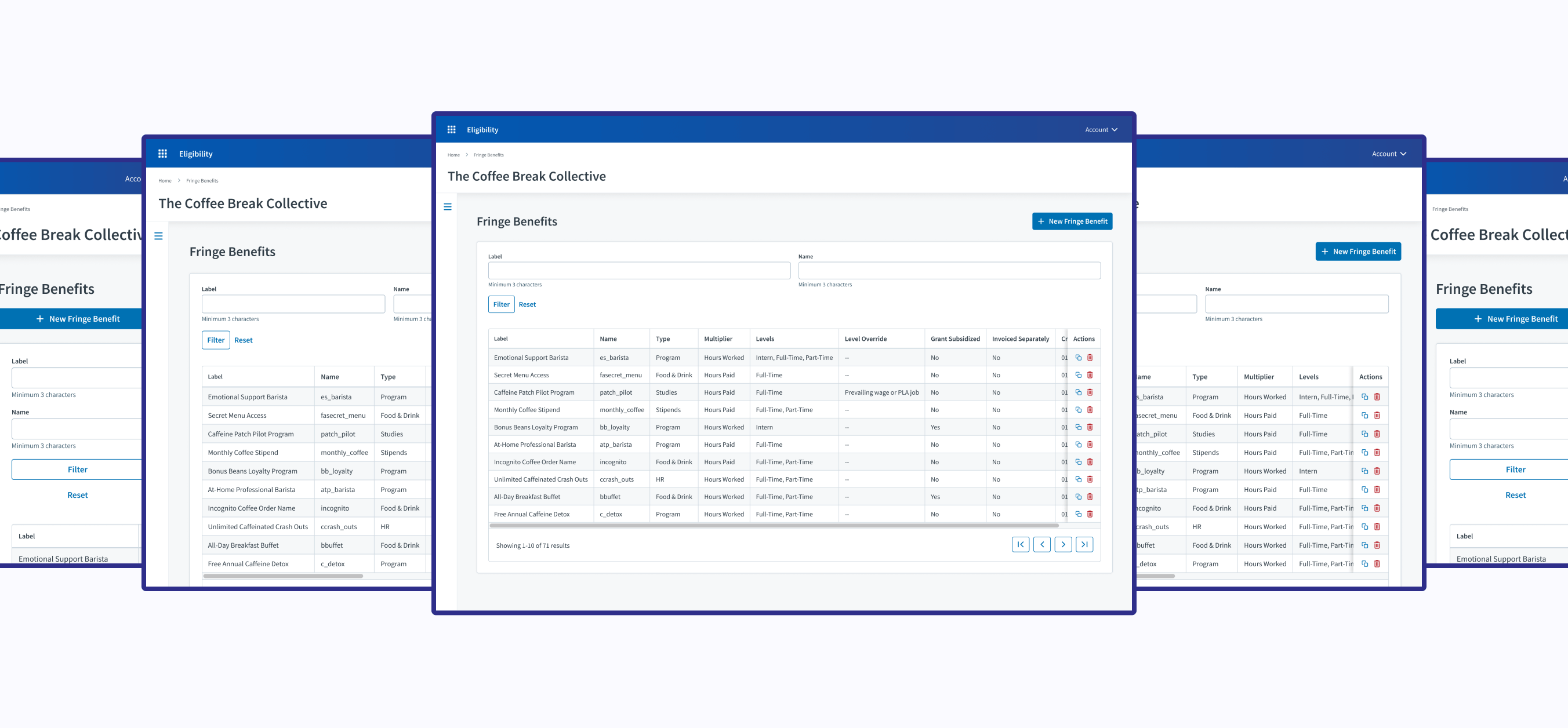
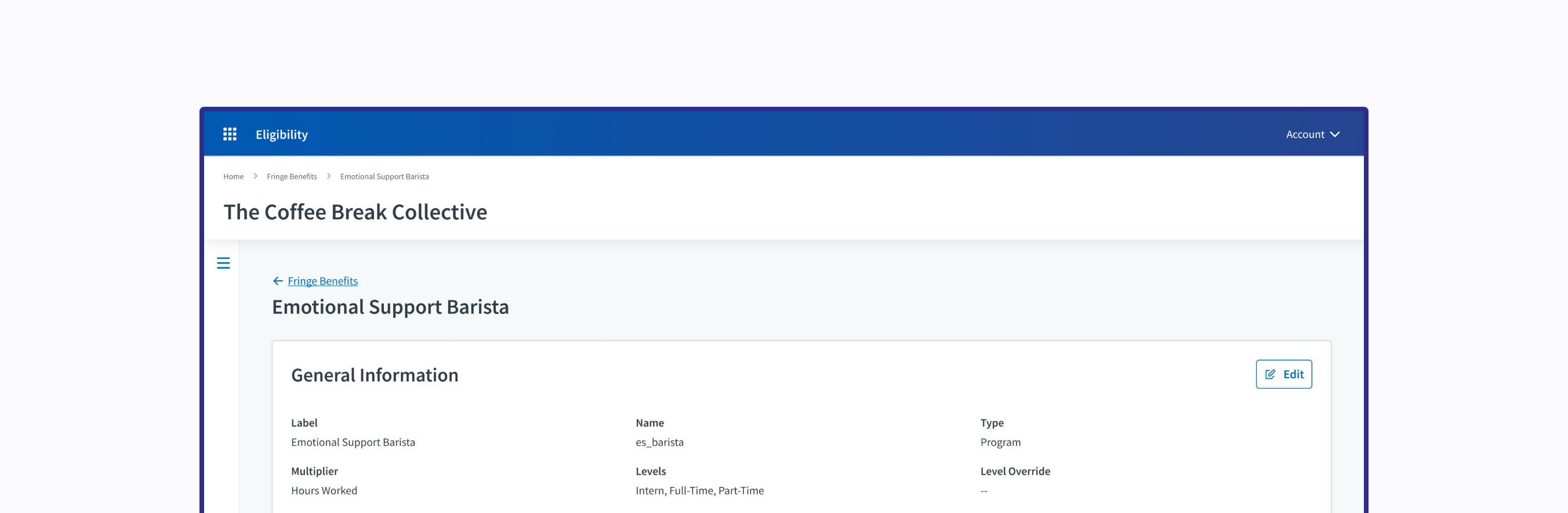
Within Judi®, my cross-functional Agile team owns the third-party administrator (TPA) Eligibility product, where benefit administrators configure requirements and manage cardholders, and employers submit timesheets and pay invoices.
Project Description
Imagine your team has been building a digital product for over a year under the guidance of stakeholders, who told the team that what you're building for one client will cater to many. Well, turns out that wasn’t the case, because this new client you gained has drastically different requirements compared to your current one. My product team is currently dealing with this scenario, and we soon discovered that our product needs a redesign to successfully cater to our clients’ needs.
The Challenge
My team needs to redesign our product, due to our new client’s requirements being significantly different than our current one. Thankfully, the whole experience doesn’t need to be redone, just key features.
The Discovery
Business Need
My team’s product needs to serve any client it gains.
User Need
Meet all of our specific requirements.
Thought:
Should we start generalizing our product to future-proof it?
How Might We...
How might we maintain two or more clients while keeping specific features?
How might we generalize our product for a seamless user experience?
How might we preserve client-specific features while expanding our product?
Thought:
What parts need to be redone?
Solution:
[redacted for confidentiality]
The Discovery
The Solution
Let’s redesign key product features to future-proof it, while still preserving client-specific features.
The Process (Ongoing)
Reminder:
This project is still active. Details are vague for confidentiality.
Workflow Consolidations
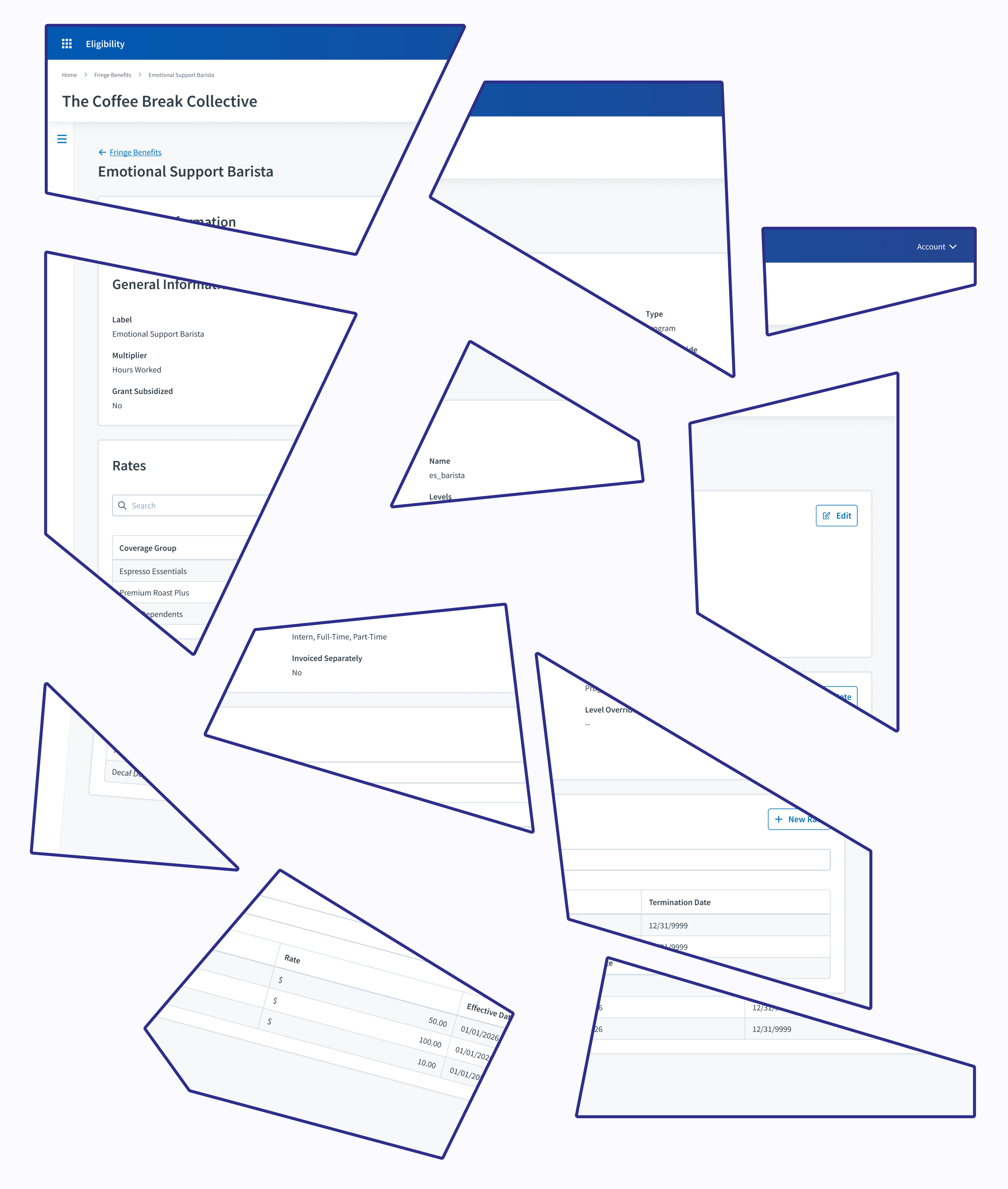
My team’s first task was to redesign our [redacted for confidentiality], so I consolidated 2 separate, yet related, user flows into one. That way, if we were to get more clients, we could keep adding on to this one flow.

Trimming Existing Workflows
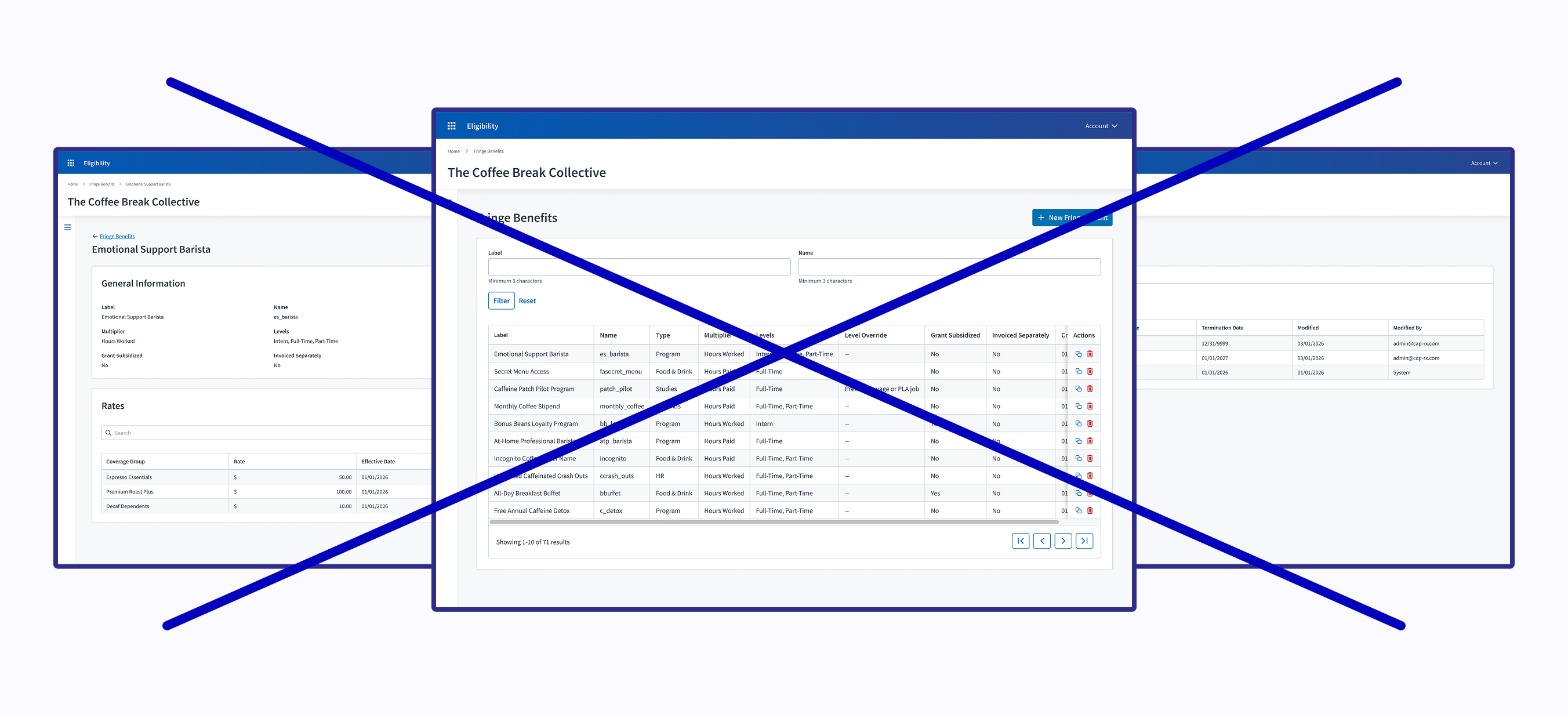
Due to the workflow consolidations, some features around the product needed to be removed to avoid redundancy and user confusion.
New Experiences
Some requests from our new client couldn’t be consolidated into any existing workflows, so new experiences were created.
User Review
During this redesign initiative, I schedule time with users to review design changes; however, before doing that, I meet with my developers to confirm if my designs are technically feasible. That way, I don’t present ideas that can’t be implemented. These review sessions allow me to gather feedback and refine the designs accordingly.
User Research Constraints
For user research, I don’t have great access to one of our clients. Our new client, on the other hand, holds weekly meetings with the team to address any questions. Once my project manager deems we have reached a minimal viable product (MVP) for them, I plan to do usability tests to ensure the new client can use what we’ve built.
Project Achievements (So Far)
So far, how have we preserved client-specific features while expanding our product?
Consolidations
Consolidated 2 workflows
Trims / Edits
Trimmed down 3 existing features
Creations
Created 6 new experiences
The Process
My Takeaways (So Far)
Being adaptable to changing requirements, especially within two-week sprints, is a skill all designers should learn how to do.
Coming Q3 2026
- More updates to our product
- Over 1,400 Employers Gaining Key Features
- Over 1.3 million members serviced
Credits
Project Management
Eric Martinson
Scrum Master
Kelly Smith
Project Manager
Software Engineers
Ahmed Gamal
Technical QA Analyst
Cam Montgomery
Senior Full-Stack Software Developer 2
David Luther
Senior Back-End Software Developer 2
Enrique Mendez Castro
Software Developer
Hector Ubiera
Director Front-End Software Developer
Mindaugas Zukauskas (MZ)
Staff Software Developer
Mohammad Althayabeh
Senior Full-Stack Software Developer 2
User Experience
Raven Caffey
UI/UX Designer
Temporary Contributors
New hires who eventually transitioned to a new product team
Alberto Ortega
Senior Front-End Software Developer
Anthony Randazzo
Senior Back-End Software Developer
Christine Schilling
UI/UX Manager
Fin Martinez
Technical QA Analyst 2
Jeremy Tregunna
Software Developer
Kamil Sauma
Software Developer
Patrick Seals
Software Engineer